
To purchase or inquire about pricing
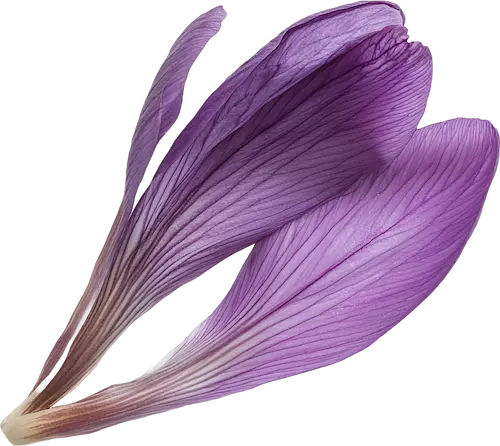

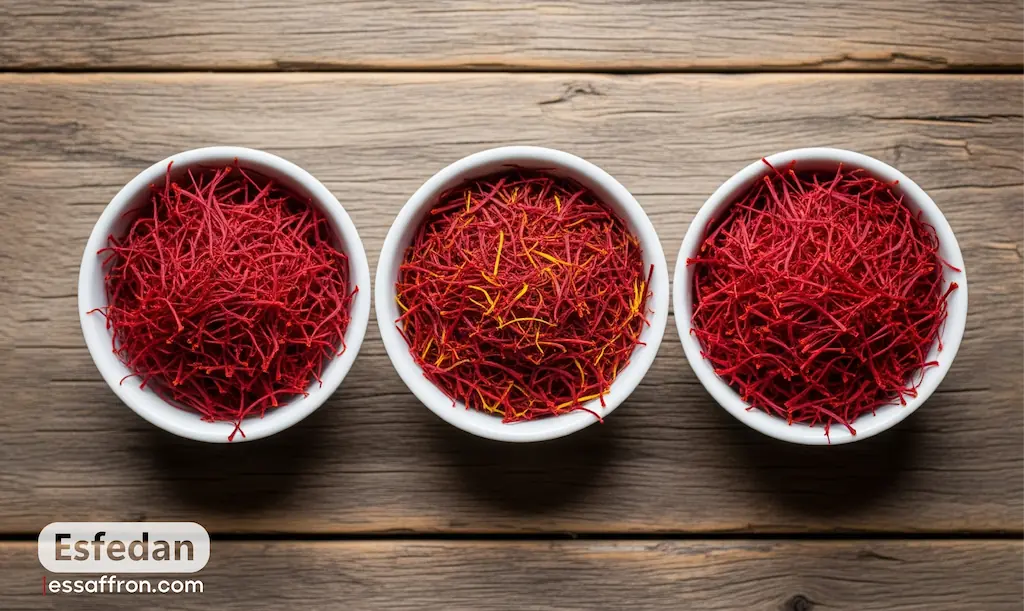
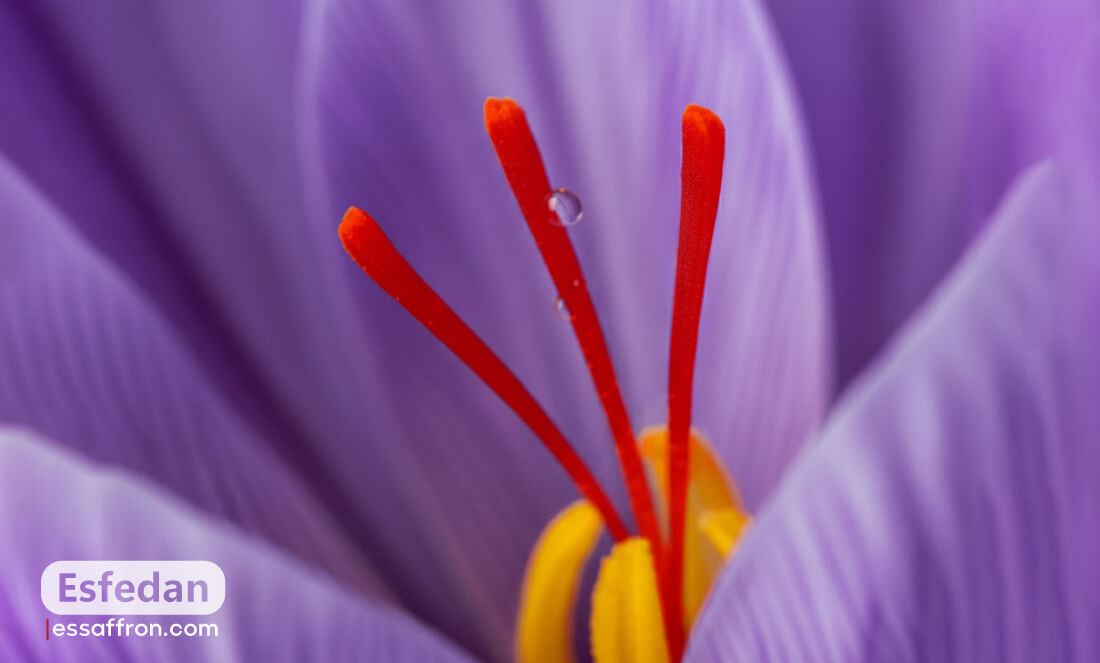
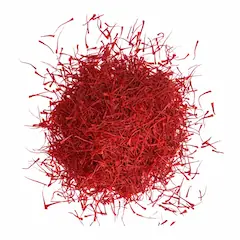
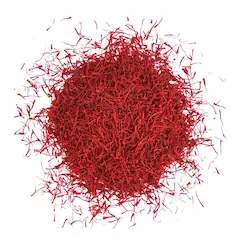
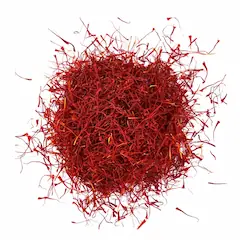
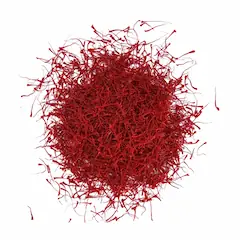
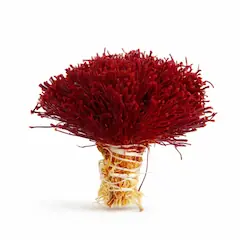
Super Negin saffron represents a highly selected form of the red saffron stigma, distinguished by its long filaments, substantial thickness, open structure, and consistently deep-red appearance. The pale style is completely removed, leaving only the red part of the Crocus sativus L. stigma.
Unlike grades defined mainly by which part of the flower is retained, Super Negin also depends heavily on physical selection. Thread length, thickness, separation, integrity, and uniformity all contribute to its classification.
This combination of visual refinement and high coloring strength is what gives Super Negin its distinctive position among Iranian saffron types.
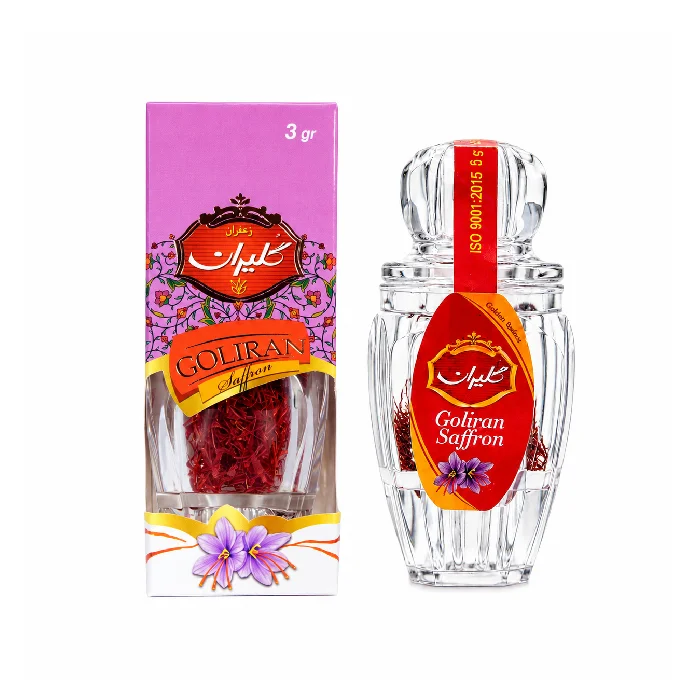

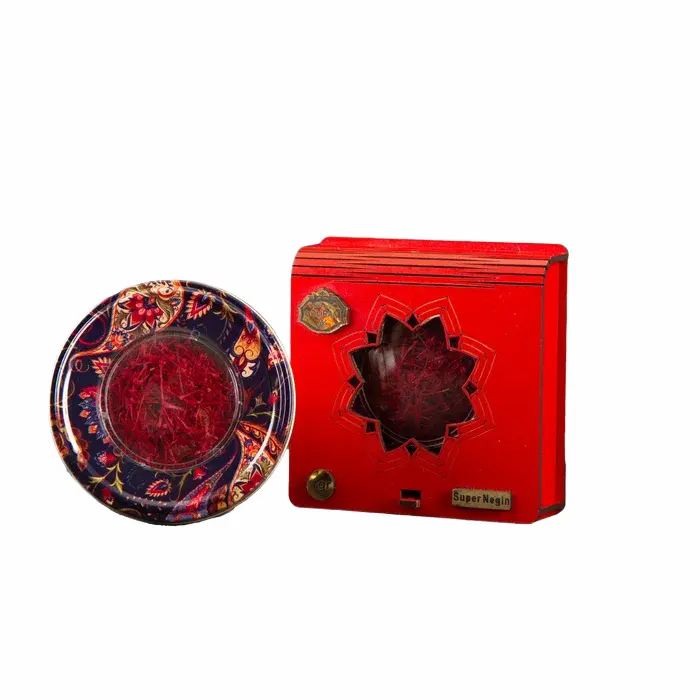
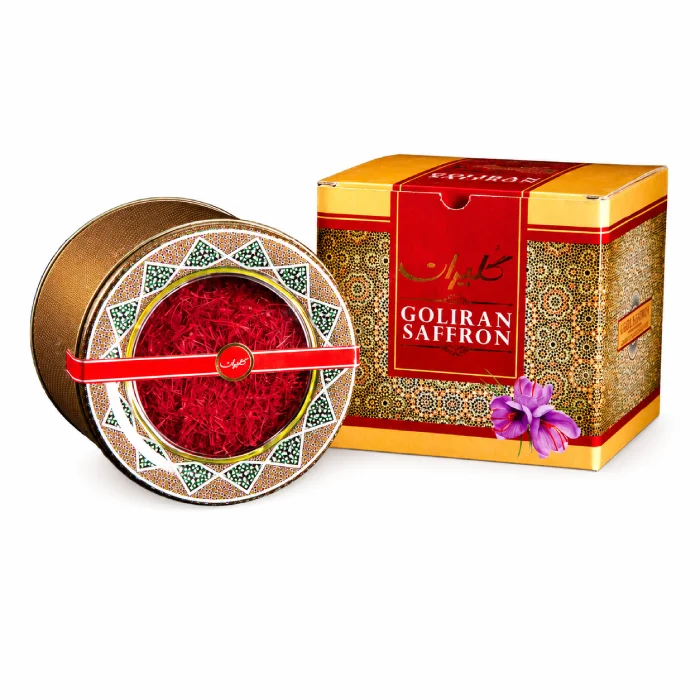
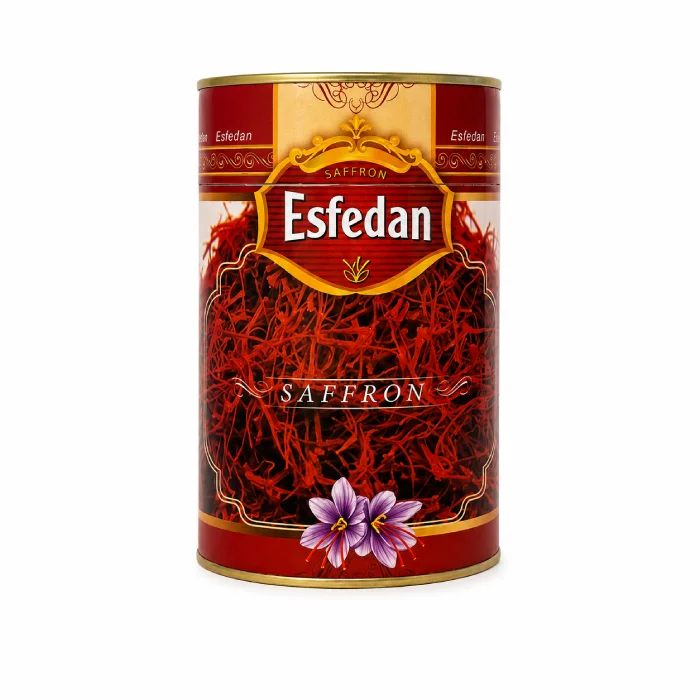

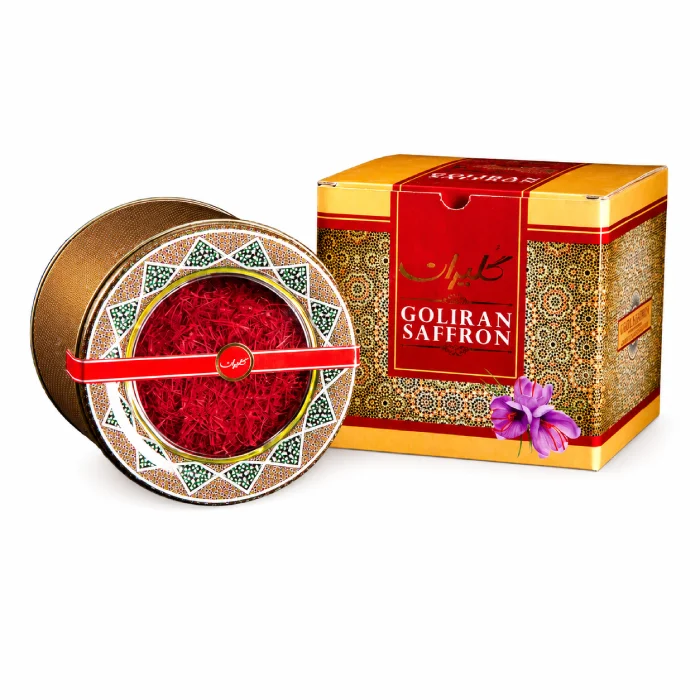
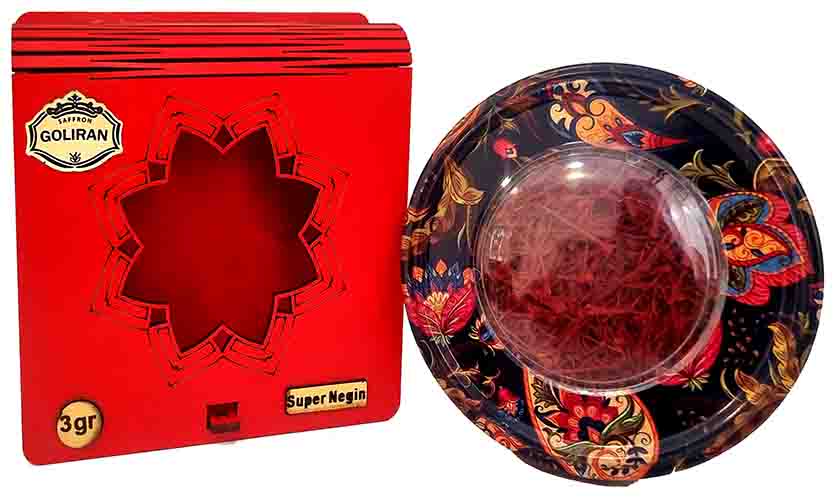
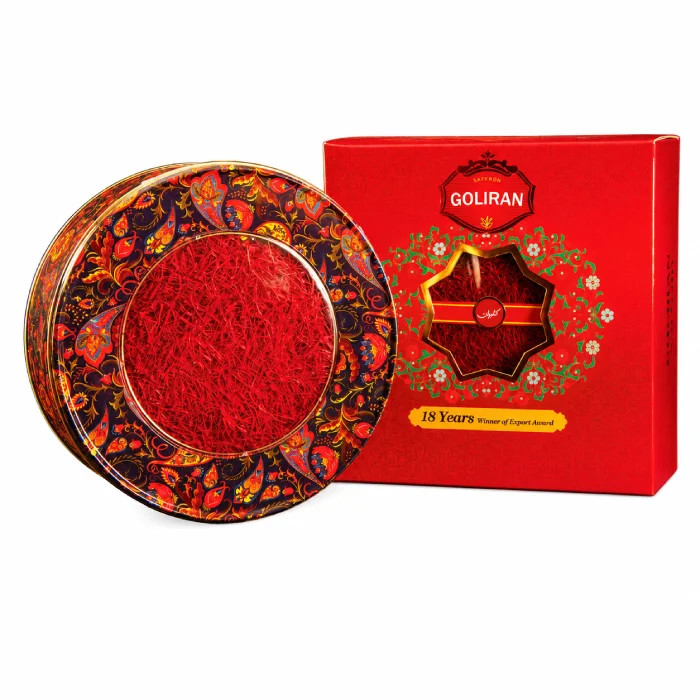
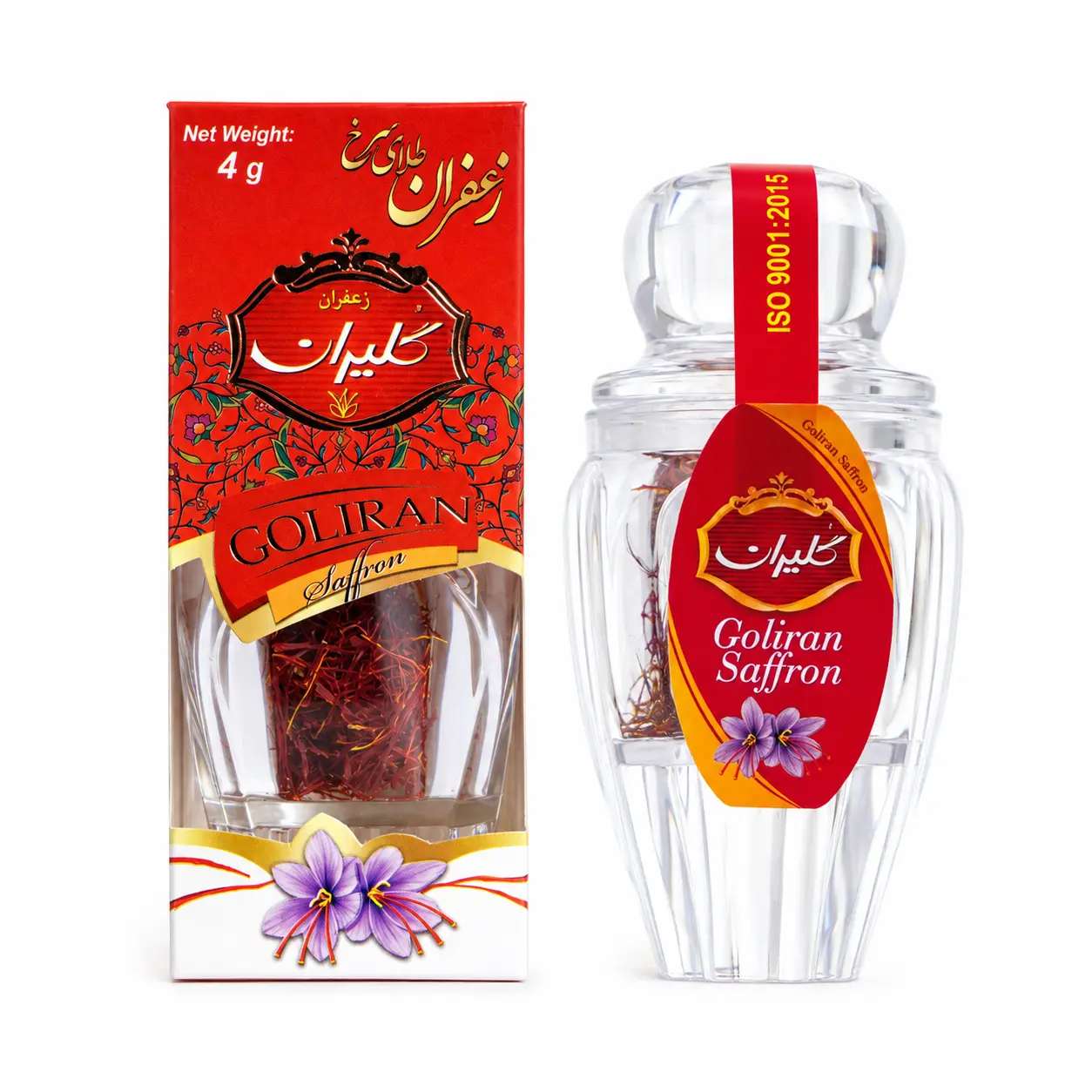

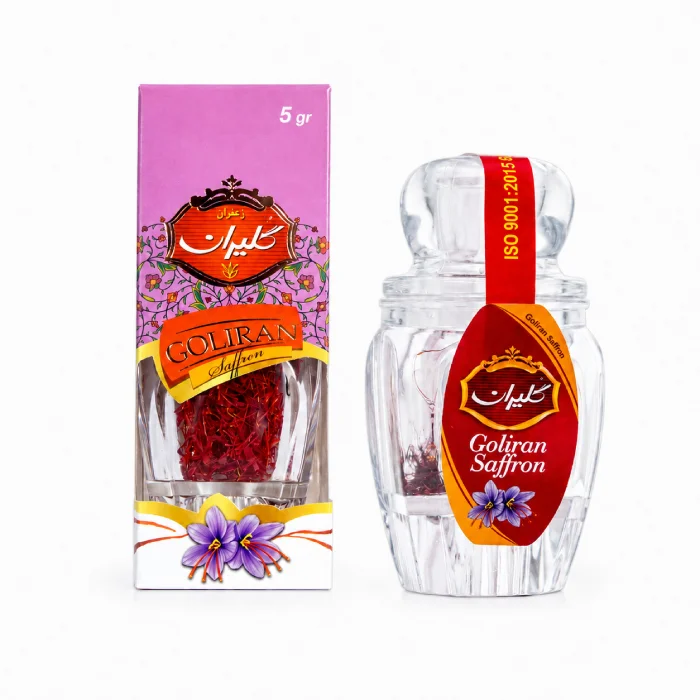

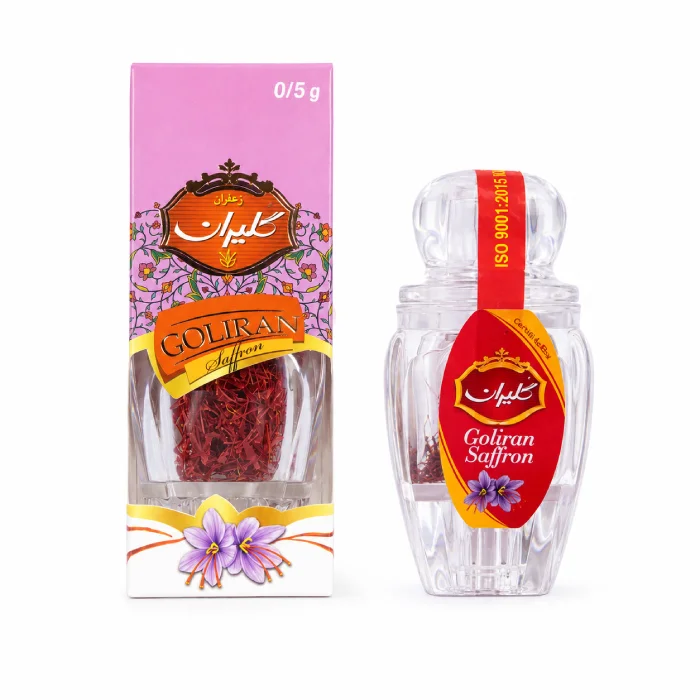
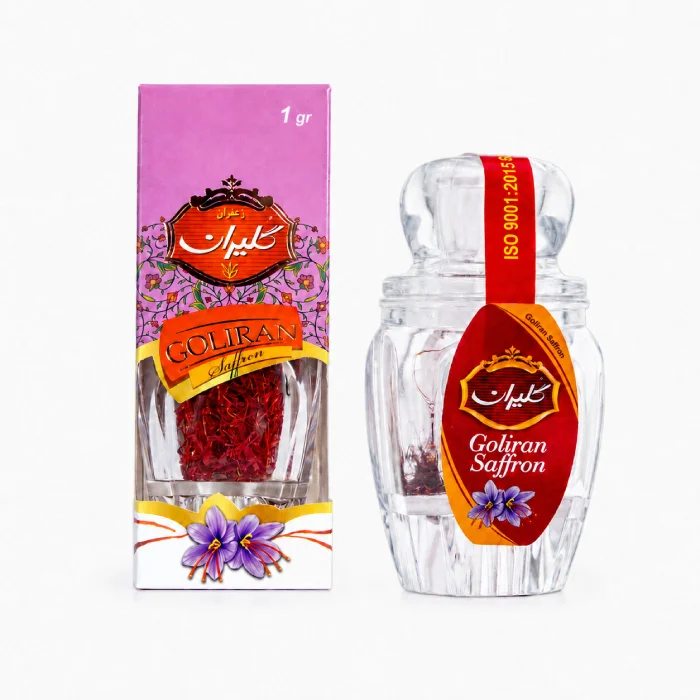
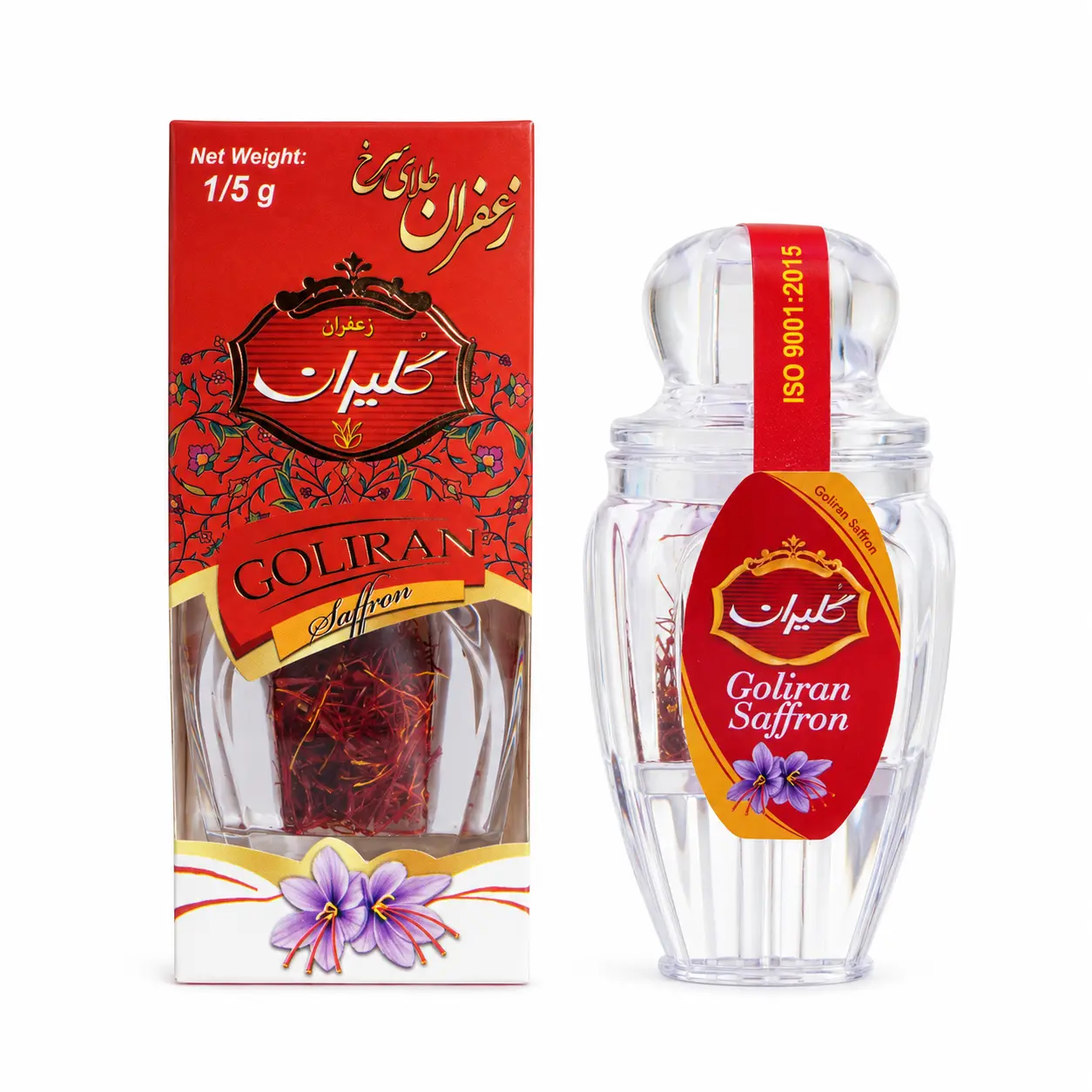
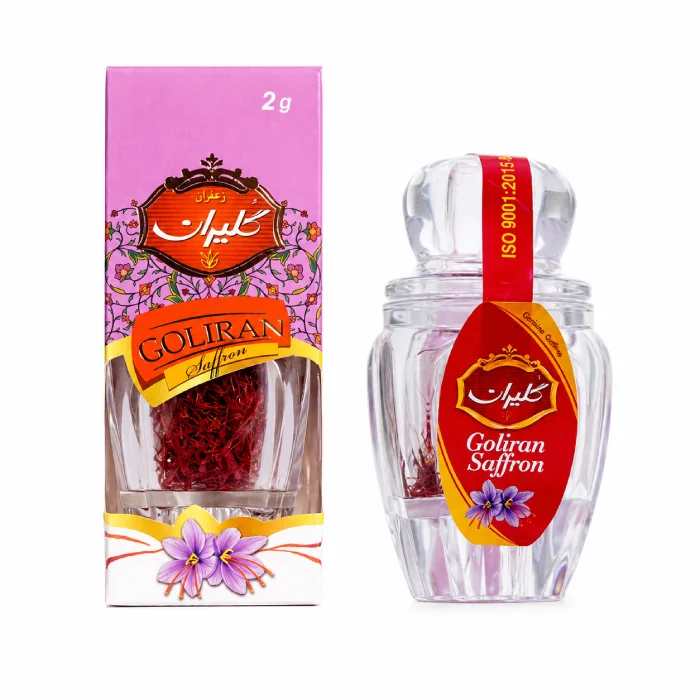
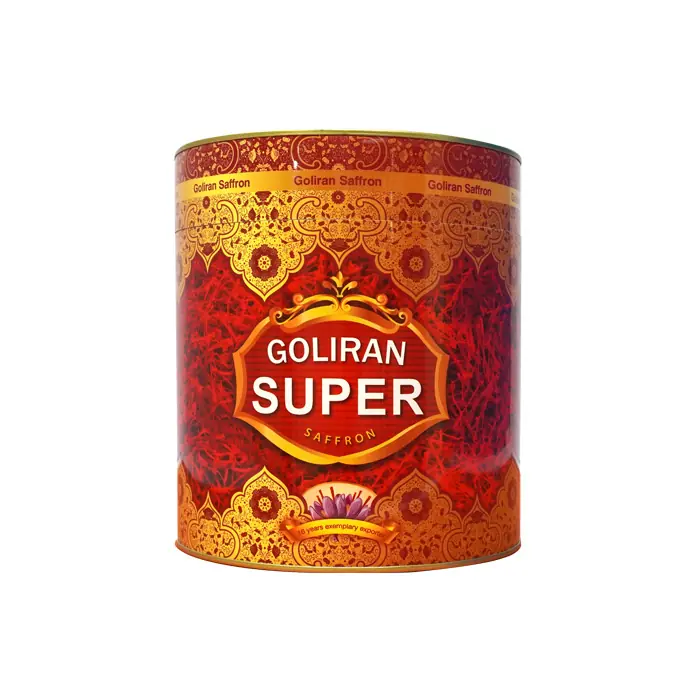
Super Negin is not simply an all-red saffron. Sargol and Negin can also consist entirely of red stigma, but Super Negin is more selectively graded for the physical structure of its threads.
A characteristic sample typically has:
The open arrangement of these premium saffron threads also gives Super Negin greater apparent volume, reinforcing the refined presentation associated with this grade. This is one reason it is often chosen when the saffron itself remains visible in packaging, food presentation, or other premium applications.
Visual grading plays a greater role in Super Negin than in many other saffron categories. A high Crocin value alone does not automatically make a sample Super Negin.
Several physical characteristics should be considered together:
Thread length: Longer stigmas are preferred, provided they remain intact and structurally sound.
Thickness: Well-developed, substantial threads contribute to the distinctive Super Negin appearance.
Separation: Individual filaments should remain relatively open and identifiable rather than being densely compressed together.
Uniformity: Major differences in length, thickness, and color reduce the visual consistency expected from this category.
Absence of style: The visible filament should be red, without attached yellow or white portions.
Integrity: Excessive breakage or a high proportion of short fragments is inconsistent with the refined appearance expected from Super Negin.
These characteristics explain why two all-red saffron samples with similar coloring strength can still belong to different commercial grades.
Visual selection is only one part of evaluating Super Negin. Chemical and microbiological measurements provide additional information about its coloring strength, aroma, flavor, moisture, purity, and safety.
Crocin is used as the principal indicator of coloring strength, while Safranal relates to aroma and Picrocrocin contributes to saffron’s characteristic taste. Moisture, foreign matter, ash, artificial colorants, and microbial levels provide further information about product condition and purity.
The Super Negin analysis supplied by Esfedan records Crocin at 250–285, Safranal at 28–50, Picrocrocin at 85–100, and moisture and volatile matter at 7.24%.
| Test Parameter | Category III | Category II | Category I | Extra | Super Negin Result | Test Method |
| Extraneous floral and plant matter, max. % | 5 | 3 | 0.5 | 0.25 | 0.17 | ISO 3632-2:2010 |
| Foreign plant matter, max. % | 1 | 0.5 | 0.1 | 0.1 | 0.07 | ISO 3632-2:2010 |
| Moisture and volatile matter, max. % | 12 | 12 | 12 | 12 | 7.24 | ISO 3632-2:2010 |
| Coloring strength – Crocin at 440 nm | Min. 120 | Min. 170 | Min. 200 | Min. 230 | 250–285 | ISO 3632-2:2010 |
| Flavor strength – Picrocrocin at 257 nm | Min. 40 | Min. 55 | Min. 70 | Min. 80 | 85–100 | ISO 3632-2:2010 |
| Aroma strength – Safranal at 330 nm | 20–50 | 20–50 | 20–50 | 30–50 | 28–50 | ISO 3632-2:2010 |
| Cold-water-soluble extract, max. % | 65 | 65 | 65 | 65 | 58.19 | ISO 3632-2:2010 / ISO 941 |
| Artificial colorants | Negative | Negative | Negative | Negative | Negative | ISO 3632-2:2010 |
| Total ash, max. % | 8 | 8 | 8 | 8 | 4.68 | ISO 3632-2:2010 / ISO 928 |
| Acid-insoluble ash, max. % | 1.5 | 1 | 1 | 1 | 0.40 | ISO 3632-2:2010 / ISO 930 |
| Total microbial count | Max. 3 × 10⁵ CFU/g | — | — | — | 2 × 10² CFU/g | INSO 5272-1 |
| Escherichia coli | Negative | — | — | — | Negative | INSO 2946 |
The Crocin result of 250–285 exceeds the minimum value of 230 shown for the Extra category in the comparison table. Testing also records no artificial colorants and low levels of extraneous and foreign plant matter.
The differences between these three all-red saffron types become clearer when the physical structure of the stigma is considered.
| Characteristic | Super Negin | Negin | Sargol |
| Stigma Color | Fully red | Fully red | Fully red |
| Yellow/White Style | Absent | Absent | Absent |
| Typical Thread Length | Very long | Long | Shorter |
| Thickness | Highly developed | Well developed | Variable |
| Thread Separation | Very pronounced | Good | Not a defining priority |
| Uniformity | Very high | High | Moderate |
| Broken Pieces | Minimal | Limited | More common |
| Presentation | Highly refined | Premium | Compact and practical |
Sargol prioritizes the all-red portion of the stigma rather than exceptional thread length. Negin retains longer, well-shaped stigmas, while Super Negin applies stricter visual selection for length, thickness, separation, and consistency.
This distinction is useful because grade names should describe physical characteristics rather than simply imply that one saffron is universally better for every application.
Super Negin is known for combining its distinctive physical appearance with strong sensory performance.
Its high Crocin range contributes to intense coloring strength. Safranal provides much of saffron’s recognizable aromatic character, while Picrocrocin contributes to its characteristic taste and bitterness.
For culinary use, the threads can be gently crushed before infusion. Hot water at approximately 70–80°C can then be added and the saffron allowed to steep for around 15–20 minutes before the resulting infusion is incorporated into food or beverages.
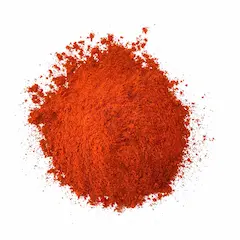
Typical uses include rice dishes, paella, desserts, cakes, confectionery, tea, beverages, dairy products, sauces, and professional cuisine. Its intact threads can also be useful where visible saffron is part of the final presentation. Applications that do not require visible filaments and instead need a more uniform ingredient for blending, processing, or faster dispersion can consider saffron powders as a separate product format.
For research relating to saffron’s bioactive compounds rather than its commercial grades, see our dedicated Health Benefits of Saffron guide.
Super Negin is closely associated with Iranian saffron classification and the traditional expertise developed around separating and grading saffron stigmas.
Geographical origin nevertheless represents only part of quality assessment. Our guide to the Top 10 saffron producing countries provides a broader comparison of major origins, but factors such as cultivation conditions, harvesting, drying, storage, purity, and laboratory performance should also be considered.
Likewise, comparisons such as the Top 10 best saffron in the world should be interpreted carefully. The most appropriate saffron depends on the intended use: some applications prioritize long and visually impressive threads, while others place greater importance on coloring strength, flavor, processing characteristics, or cost.
A Super Negin sample should first demonstrate the physical characteristics expected from the category: long, thick, fully red, well-separated stigmas with strong overall consistency.
After visual examination, measurable specifications provide a second level of evaluation. Important factors include:
This two-part evaluation is particularly important for Super Negin because its classification depends on both visual structure and technical quality.
The saffron price of Super Negin is influenced by more than coloring strength alone. Thread length and thickness, visual uniformity, percentage of intact stigmas, Crocin level, freshness, harvest conditions, processing, and general market conditions can all affect value.
For this reason, samples with similar laboratory performance may still differ in price when the quality of the threads is noticeably different.
When evaluating Super Negin, comparing technical measurements and physical grading together provides a more meaningful picture than comparing price alone.
If you want to buy saffron with long, thick, fully red stigmas and the highly selected appearance associated with Super Negin, explore the products in this category and compare available pack sizes, thread condition, Crocin level, and intended use.
Although the products share the defining characteristics of Super Negin, differences in packaging, batch specifications, and physical presentation can help determine which option best fits your requirements.
Esfedan has worked with saffron since 1964, developing experience across cultivation, harvesting, flower handling, stigma separation, drying, grading, quality control, and packaging.
The company’s specialized saffron-processing infrastructure includes more than 14,000 square meters dedicated to sorting, separating, and drying saffron, as well as cold-storage facilities used for freshly harvested flowers. Its quality systems include ISO 22000, FSSC 22000, HACCP, Halal, Iran National Standard, and the Iranian FDA Health Code.
As an iranian saffron supplier, Esfedan combines physical grading with laboratory analysis so that Super Negin can be evaluated for both its distinctive filament structure and measurable quality.
For businesses that need information specifically related to commercial supply and larger quantities, the saffron wholesale section covers the relevant purchasing formats and services.