
To purchase or inquire about pricing

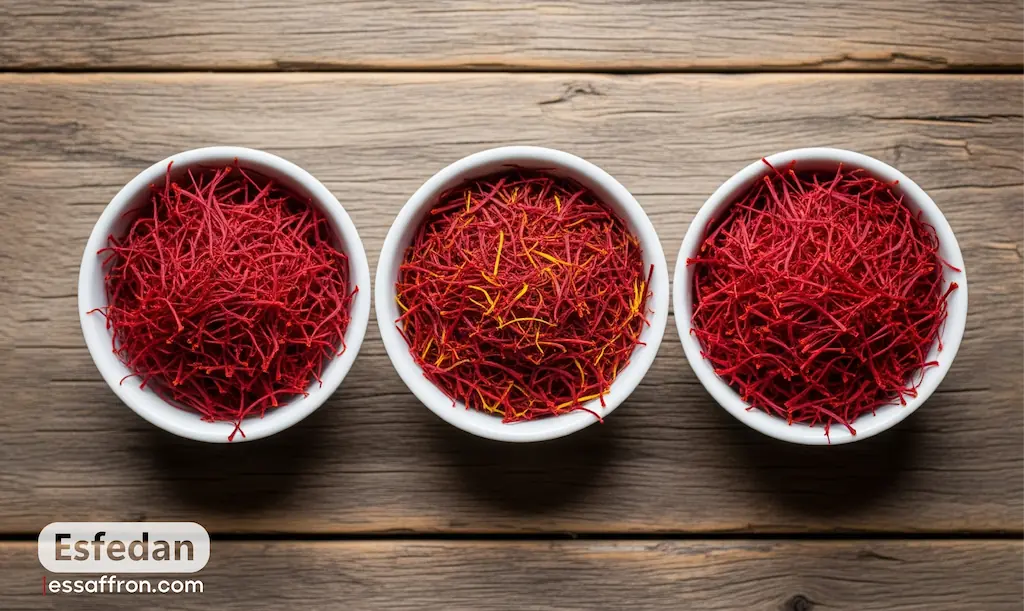
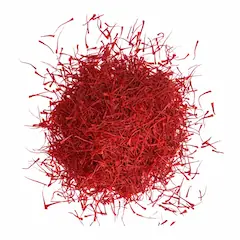
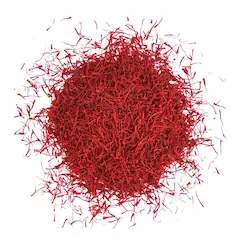
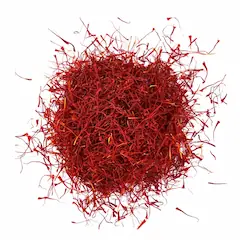
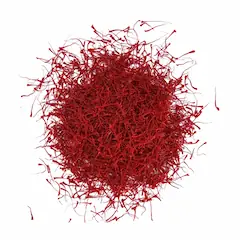
Pushal saffron is a traditional Iranian saffron grade that preserves part of the flower’s natural filament. Each thread contains the red stigma together with a short yellow or orange section of the style, creating the distinctive two-tone appearance associated with this category.
Unlike all-red grades, Pushal is not defined by complete removal of the style. Its identity comes from preserving a visible connection between the red stigma and the lighter base while still maintaining a high proportion of the valuable red portion.
This makes Pushal easy to recognize and gives it a distinct place among Iranian saffron types.
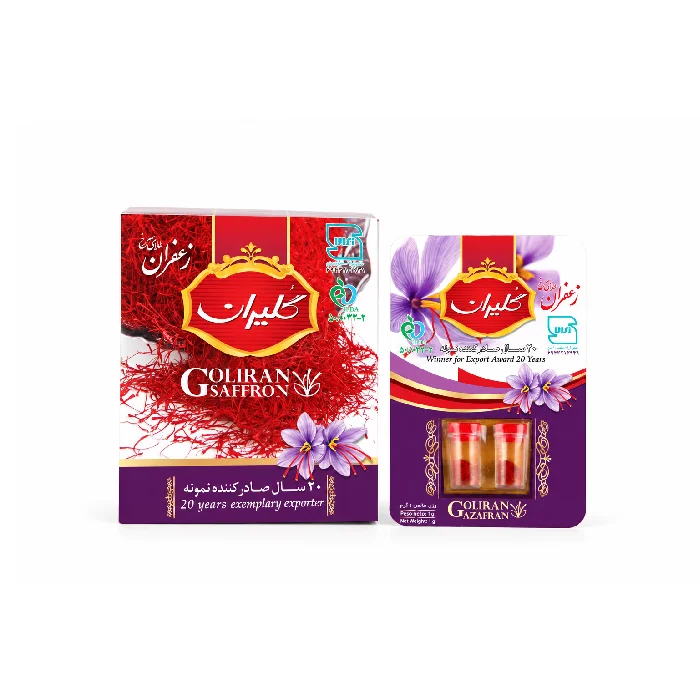

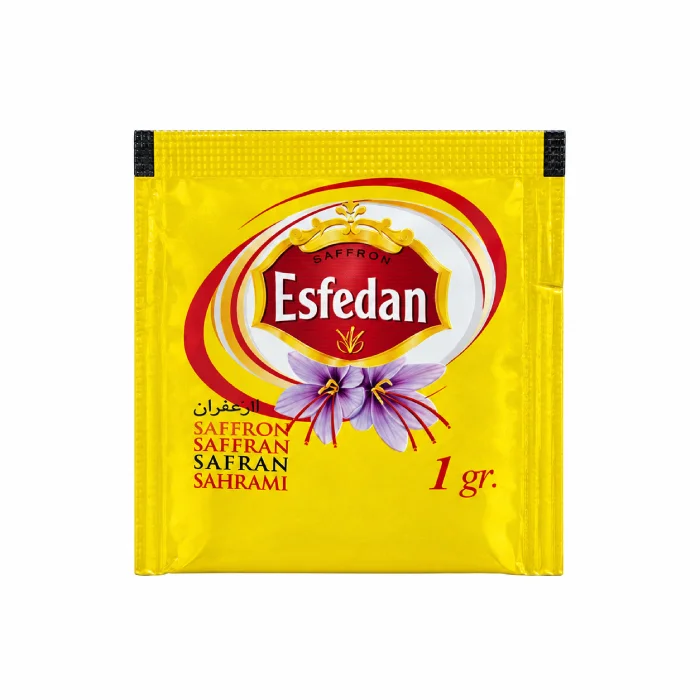
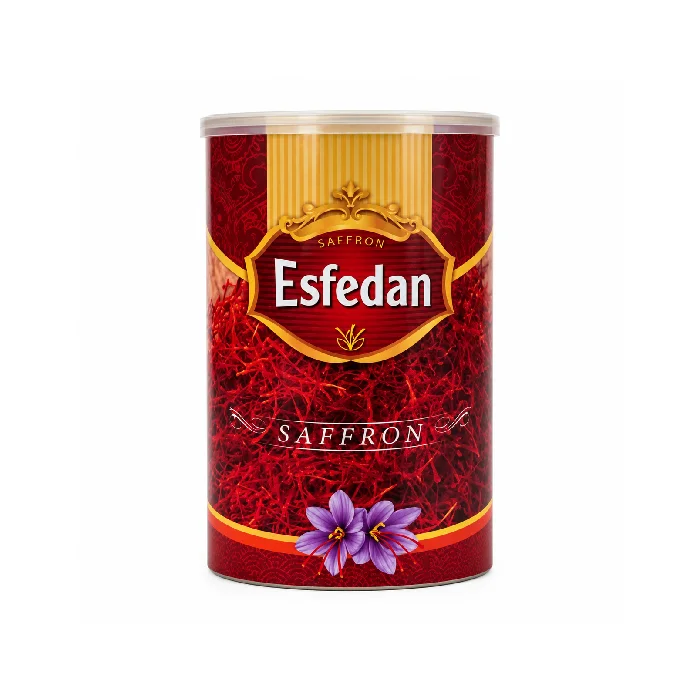
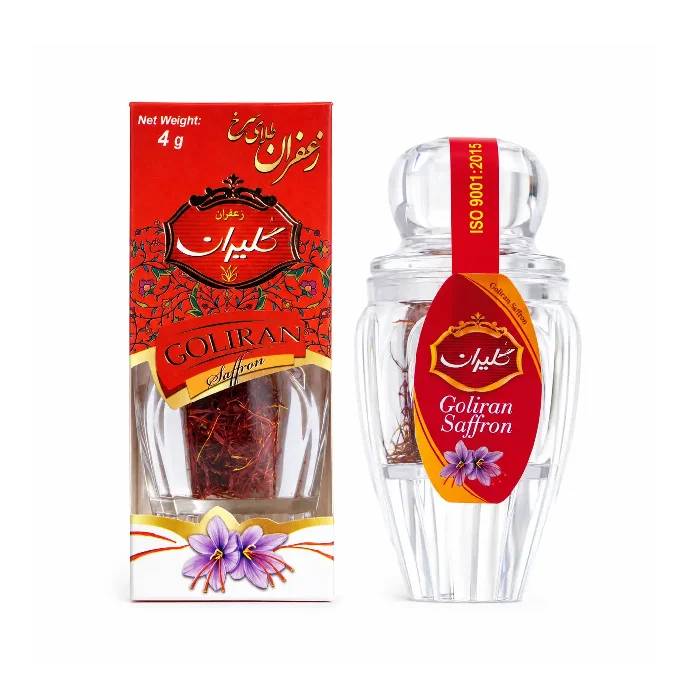
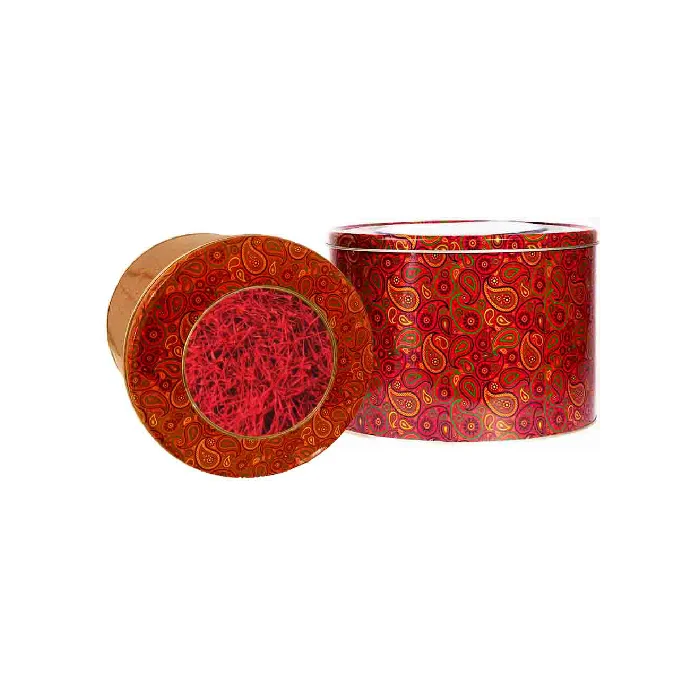
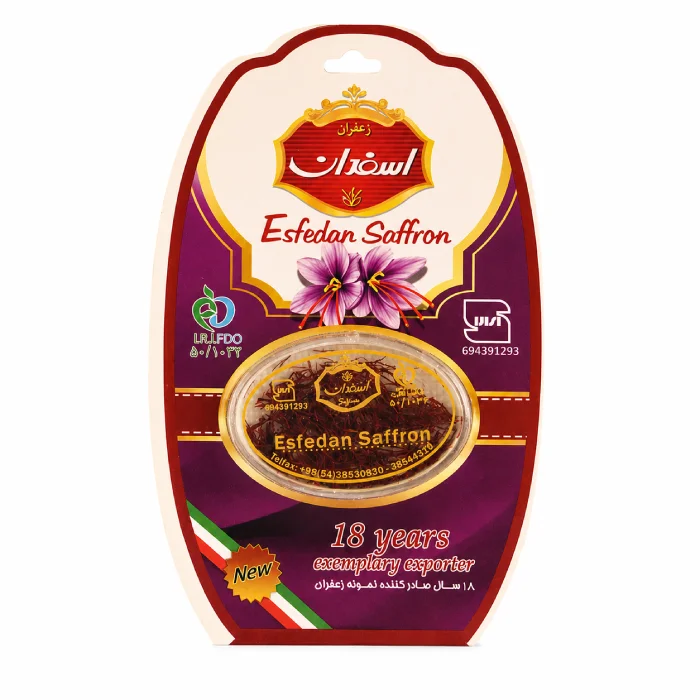
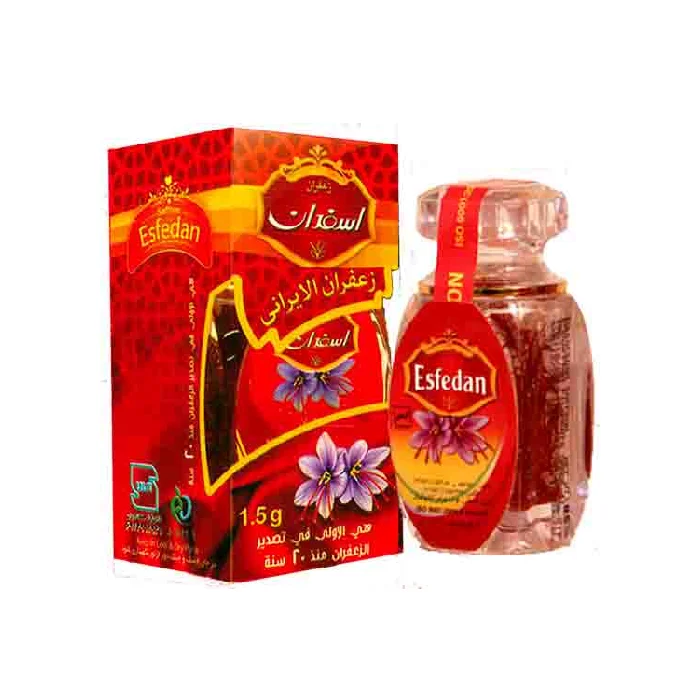
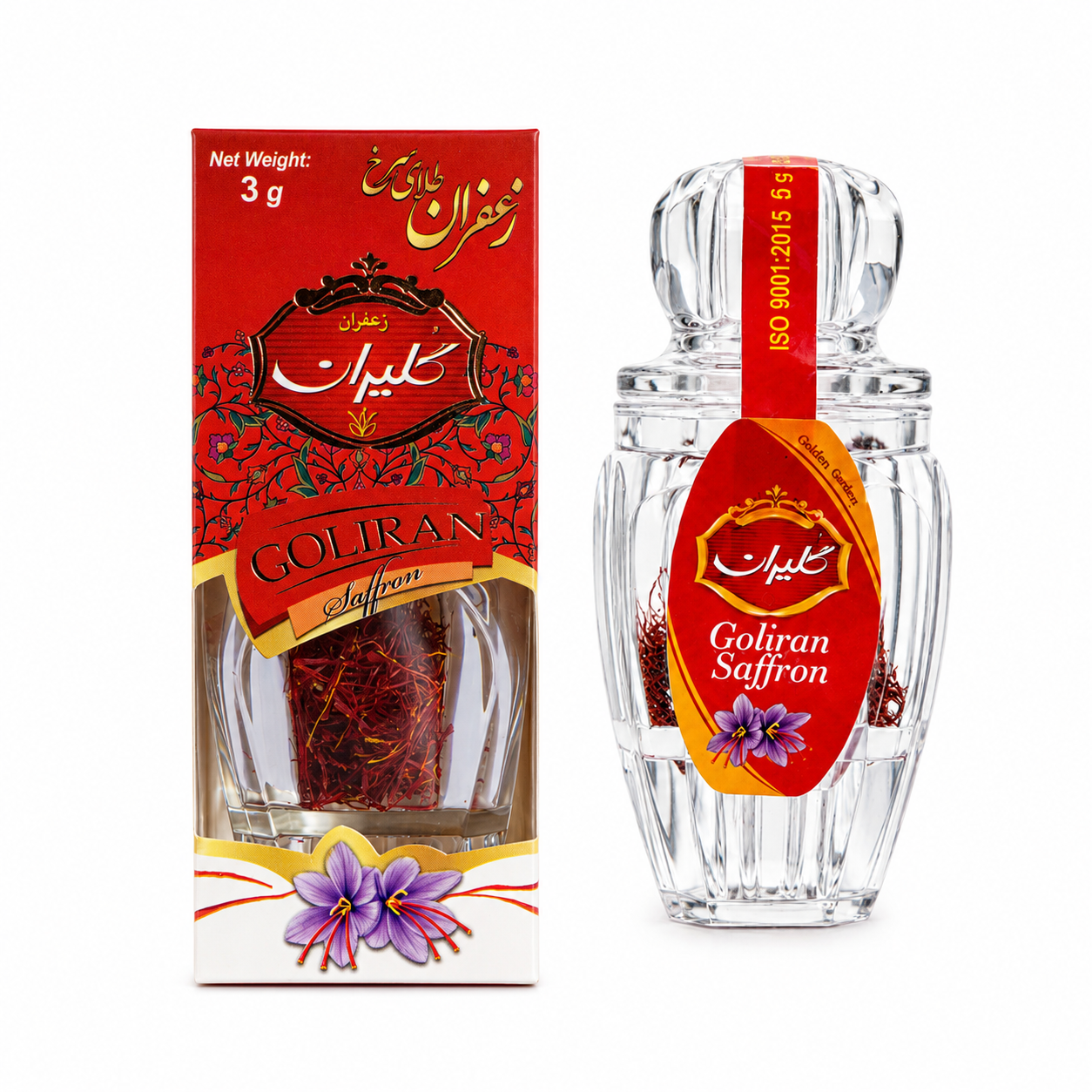
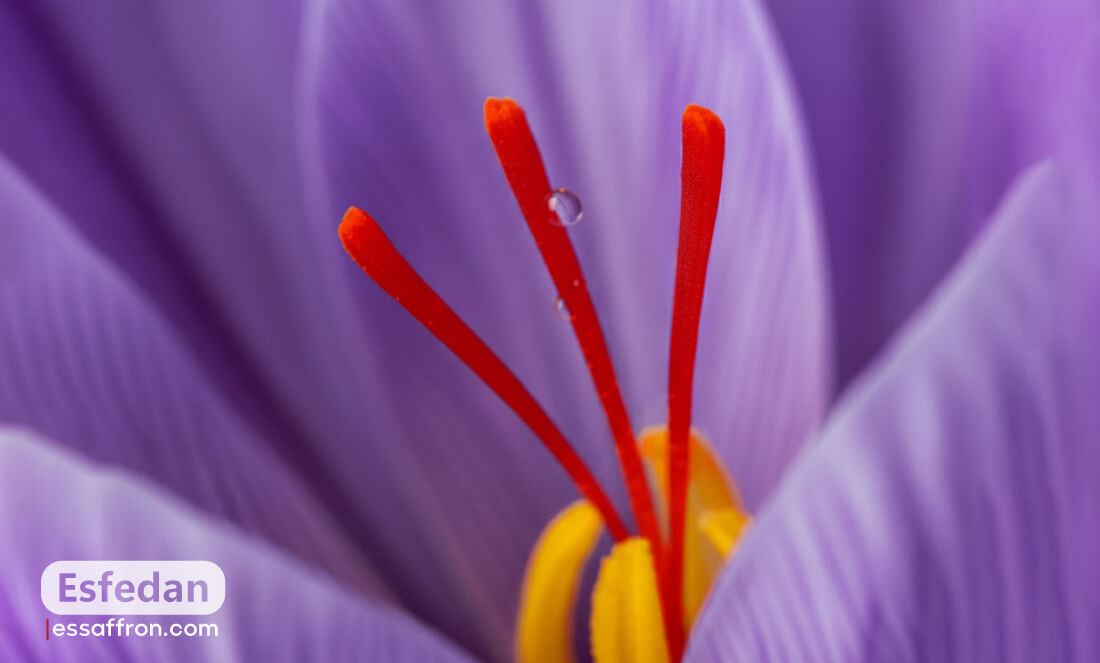
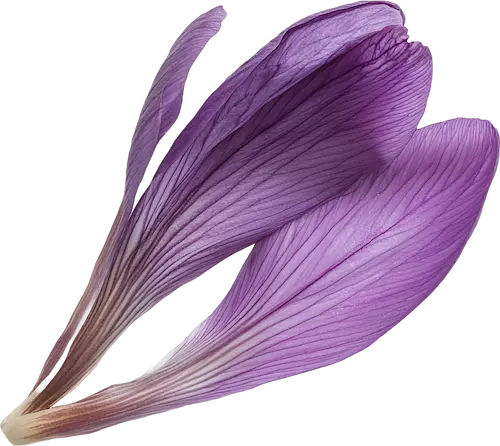
Pushal saffron comes from the stigma of the Crocus sativus L. flower. During separation, the red stigma is kept together with a small part of the attached style.
The result is a thread that is mostly red but has a short yellow or orange section at its base.
This lighter section is a natural part of the saffron flower and should not be confused with contamination or foreign plant matter.
Typical Pushal characteristics include:
Compared with fully trimmed saffron threads, Pushal retains more of the flower’s original filament structure because the red stigma remains naturally connected to a short section of the style.
The main difference lies in how much of the saffron filament remains after separation.
Sargol, Negin, and Super Negin contain only the red stigma. Pushal keeps a limited section of the lighter style. Bunch saffron retains even more of the full filament.
That makes Pushal a distinct category rather than simply a lower grade of Negin.
The yellow or orange part is therefore not something that should automatically be removed or treated as a defect. What matters is the balance between the red stigma and the attached style, together with the overall condition and performance of the saffron.
A good Pushal sample should contain a high proportion of healthy red stigma, with the lighter style remaining naturally attached rather than dominating the thread.
Quality evaluation should consider both physical appearance and measurable performance.
Important factors include:
Crocin: indicates coloring strength.
Safranal: is associated with saffron’s characteristic aroma.
Picrocrocin: contributes to its distinctive flavor and bitterness.
Moisture: should remain controlled to support stability and storage quality.
Purity: foreign plant material and added colorants should be absent or tightly controlled.
For Esfedan Pushal, the measured ranges include Crocin of 220–250, Safranal of 28–50, Picrocrocin of 85–100, and moisture and volatile matter of 6.60%.
The following physical, chemical, and microbiological parameters provide a more complete view of Pushal quality than appearance alone.
| Test Parameter | Category III | Category II | Category I | Extra | Pushal Result | Test Method |
| Extraneous floral and plant matter, max. % | 5 | 3 | 0.5 | 0.25 | 1.79 | ISO 3632-2:2010 |
| Foreign plant matter, max. % | 1 | 0.5 | 0.1 | 0.1 | 0.04 | ISO 3632-2:2010 |
| Moisture and volatile matter, max. % | 12 | 12 | 12 | 12 | 6.60 | ISO 3632-2:2010 |
| Coloring strength – Crocin at 440 nm | Min. 120 | Min. 170 | Min. 200 | Min. 230 | 220–250 | ISO 3632-2:2010 |
| Flavor strength – Picrocrocin at 257 nm | Min. 40 | Min. 55 | Min. 70 | Min. 80 | 85–100 | ISO 3632-2:2010 |
| Aroma strength – Safranal at 330 nm | 20–50 | 20–50 | 20–50 | 30–50 | 28–50 | ISO 3632-2:2010 |
| Cold-water-soluble extract, max. % | 65 | 65 | 65 | 65 | 60.32 | ISO 3632-2:2010 / ISO 941 |
| Artificial colorants | Negative | Negative | Negative | Negative | Negative | ISO 3632-2:2010 |
| Total ash, max. % | 8 | 8 | 8 | 8 | 4.30 | ISO 3632-2:2010 / ISO 928 |
| Acid-insoluble ash, max. % | 1.5 | 1 | 1 | 1 | 0.45 | ISO 3632-2:2010 / ISO 930 |
| Total microbial count | Max. 3 × 10⁵ CFU/g | — | — | — | 3 × 10 CFU/g | INSO 5272-1 |
| Escherichia coli | Negative | — | — | — | Negative | INSO 2946 |
The attached yellow or orange style in Pushal is part of the saffron flower itself and should not be interpreted as foreign plant matter. These are separate quality parameters.
The analysis also records no artificial colorants and a cold-water-soluble extract value of 60.32%.
The easiest way to understand Pushal is to compare the amount of the original filament retained in each saffron type.
| Saffron Type | Filament Structure | Typical Appearance |
| Sargol | Red stigma only | Shorter, all-red |
| Negin | Red stigma only | Long and well-shaped |
| Super Negin | Red stigma only | Very long, thick, highly uniform |
| Pushal | Red stigma + short style | Red with yellow/orange base |
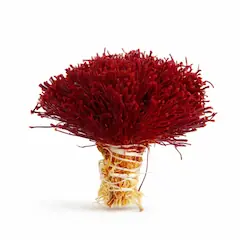
| Bunch | Red stigma + longer style | More complete natural filament |
Pushal therefore offers a more natural-looking filament than the all-red grades while maintaining a much higher proportion of red stigma than Bunch saffron.
If you want to understand how saffron origins differ globally, our guide to the Top 10 saffron producing countries provides additional context. For a broader comparison of grades and origins, see Top 10 best saffron in the world.
Pushal can be used in a wide range of culinary applications where saffron’s color, aroma, and flavor are important.
Common uses include:
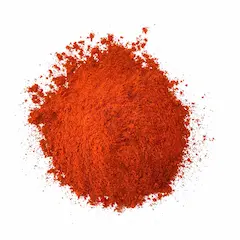
Pushal is primarily supplied in filament form, especially when the natural appearance of the saffron is important. Applications that require a more uniform ingredient for blending, processing, or faster dispersion can instead use saffron powders as a separate product format.
For infusion, the threads can be gently crushed and combined with water at approximately 70–80°C. Allowing the saffron to steep for around 15–20 minutes helps release its color, aroma, and flavor before use.
Scientific research into saffron’s natural compounds is separate from the commercial classification of Pushal. Readers interested in that subject can explore our Health Benefits of Saffron guide.
Pushal should not be evaluated by the same visual standards used for all-red saffron.
A quality sample should have:
The visible yellow section should remain limited. If the lighter style dominates the filament, the product no longer reflects the typical balance expected from Pushal.
Visual inspection helps confirm the category, while laboratory values provide a better indication of actual coloring strength, aroma, flavor, purity, and moisture.
The saffron price for Pushal depends on more than the visible color of the threads.
Key factors include:
Two Pushal products can therefore look broadly similar while differing in technical performance and overall value.Because the stigma and style remain connected, Pushal retains more of the flower’s original structure than all-red grades.
For this reason, comparing measurable quality together with the filament structure gives a more accurate picture than price alone.
If you want to buy saffron while keeping the natural stigma-and-style structure associated with Pushal, this category brings together different Pushal products in a range of formats and pack sizes.
When comparing the available options, consider the proportion of red stigma, thread condition, Crocin level, packaging format, and intended use.
This category is designed to help users identify the Pushal option that best matches their culinary, retail, or professional requirements without needing to compare it with unrelated saffron grades.
Esfedan has worked with saffron since 1964, with experience covering cultivation, fresh-flower handling, separation, drying, grading, quality control, and packaging.
For Pushal specifically, quality assessment focuses on preserving the natural connection between stigma and style while maintaining measurable performance in color, aroma, flavor, moisture, and purity.
Esfedan operates specialized facilities for saffron sorting, separation, drying, and fresh-flower storage and follows recognized quality and food-safety systems including ISO 22000, FSSC 22000, HACCP, Halal, Iran National Standard, and the Iranian FDA Health Code.
For more information about Esfedan as an iranian saffron supplier, visit the supplier page. Information about larger commercial quantities and purchasing formats is available separately in the saffron wholesale section.