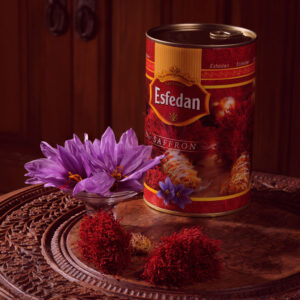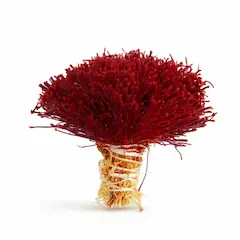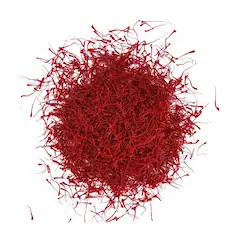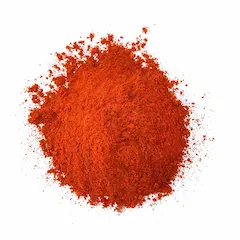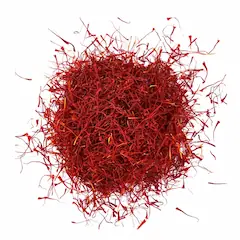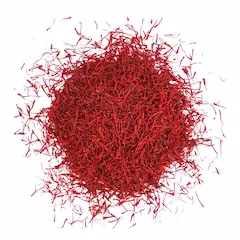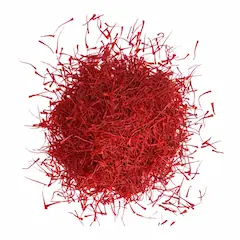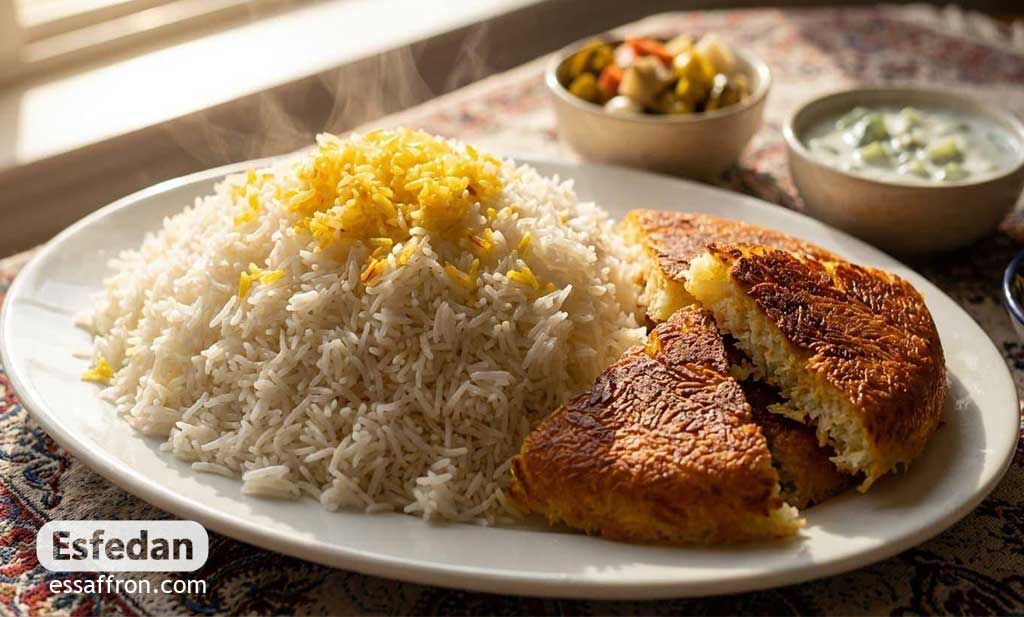


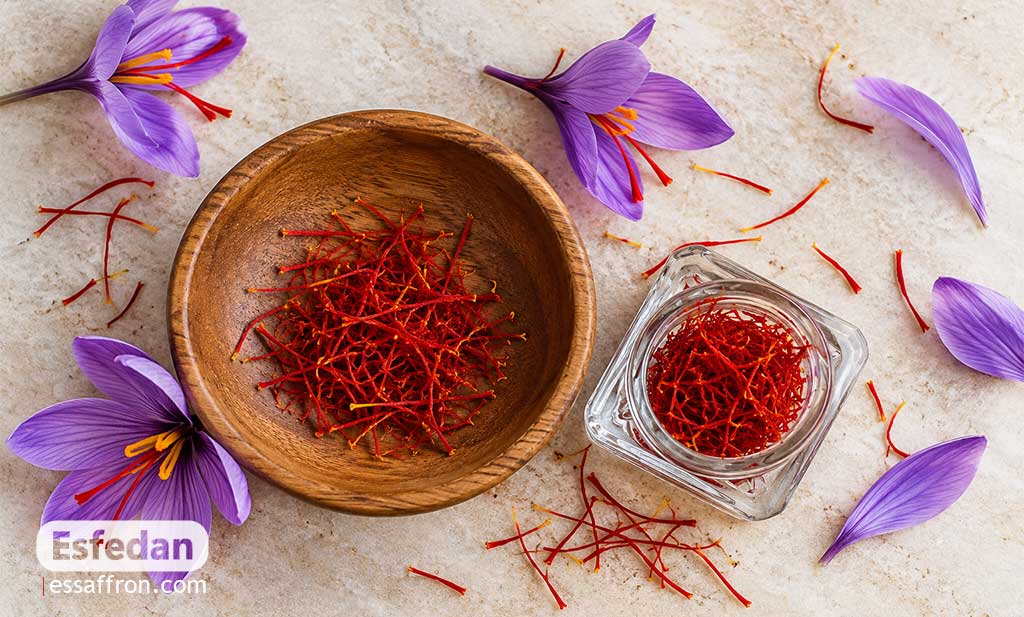
Saffron is expensive because each flower produces only three tiny red stigmas, and harvesting and separating them requires extensive manual labor. Producing one kilogram of dried saffron typically takes around 150,000 flowers. Its short harvest season, careful drying process, low yield, and quality-control requirements add to the cost.
These production challenges explain why saffron is widely considered the world’s most expensive spice by weight.
What Makes Saffron So Expensive? 7 Main Reasons
The high price of saffron begins in the field. Unlike many spices that can be harvested in large quantities, saffron comes from a small part of a delicate flower. Every stage, from picking the flowers to preparing the dried threads, adds labor and cost.
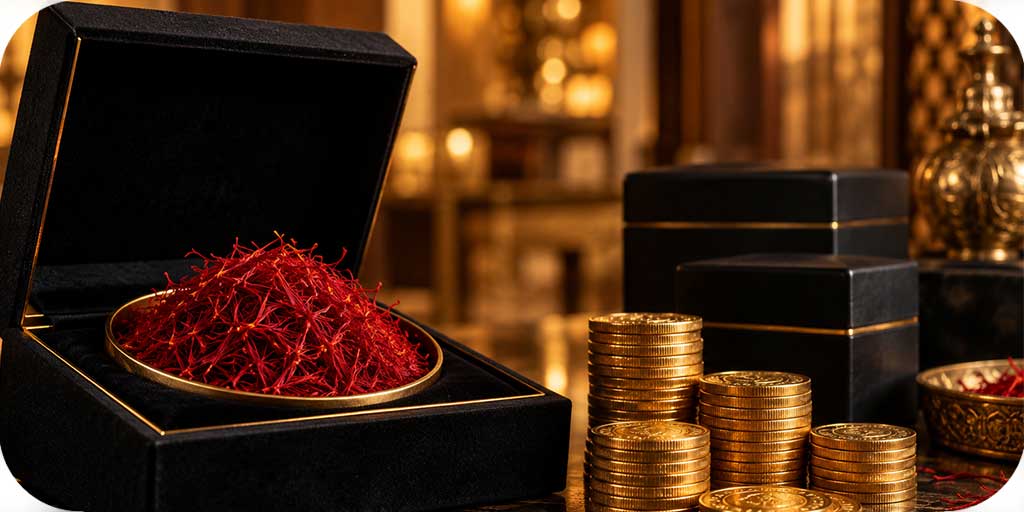
1. Each Saffron Flower Produces Only Three Stigmas
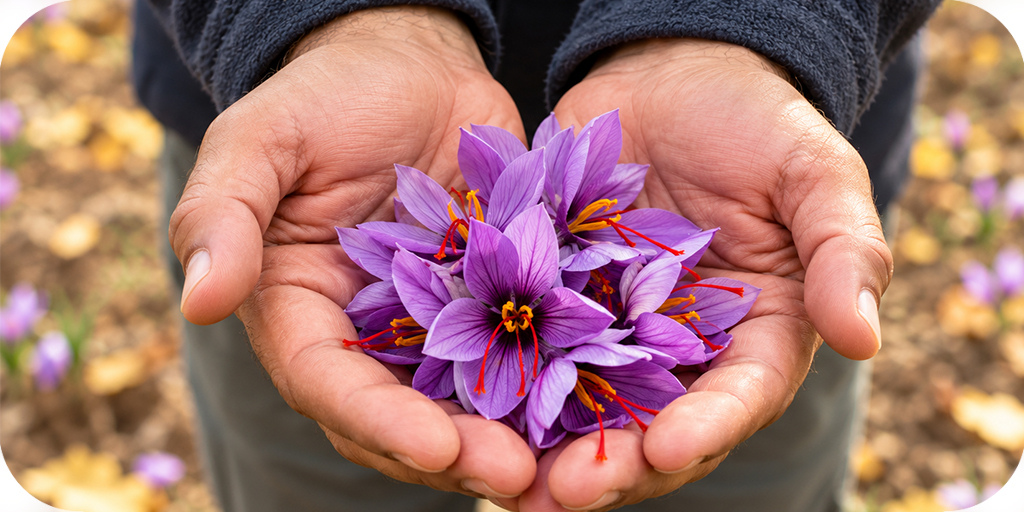
Saffron has an exceptionally low yield because only three red stigmas are collected from each flower.
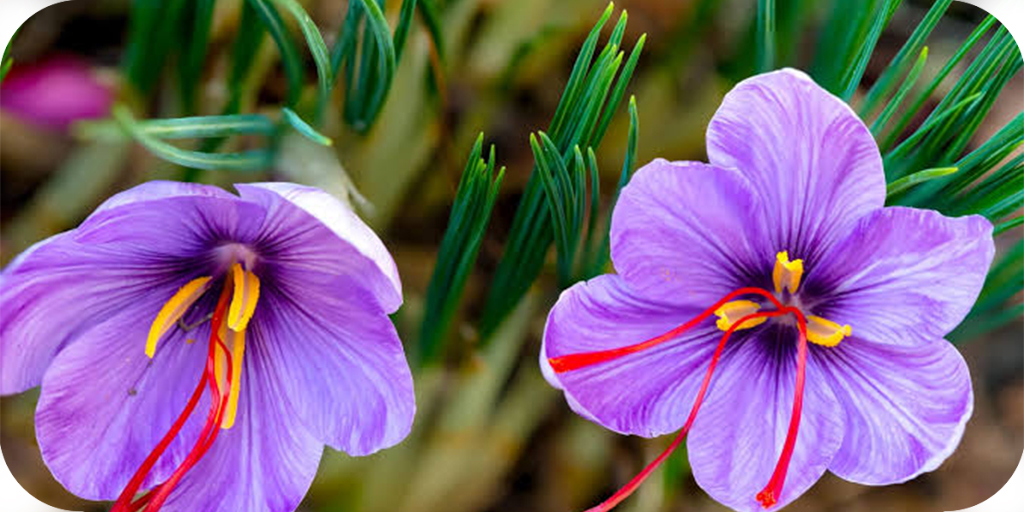
The spice comes from the dried stigmas of Crocus sativus. Although the flower has several parts, only its red stigmas are used to produce the valuable saffron spice.
These stigmas are extremely light. Farmers must collect thousands of flowers to obtain even a modest quantity of dried saffron. For example, approximately 150 flowers may be needed to produce just one gram of saffron. This means that a small retail package represents far more flowers than its weight suggests.
If you want to understand which part of the flower becomes the spice, see our guide to What is saffron?.
2. Saffron Harvesting Requires Extensive Manual Labor
Manual harvesting and stigma separation are among the biggest contributors to saffron’s production cost.
Saffron flowers are delicate, and their valuable stigmas must be removed carefully. In conventional production, workers pick the flowers and then separate the red stigmas from the rest of each blossom.
This creates two labor-intensive tasks:
- Flower harvesting: Collecting large numbers of flowers within a limited period.
- Stigma separation: Carefully removing the three red stigmas from every harvested flower.
A scientific review published in the International Journal of Gastronomy and Food Science estimates that harvesting and separating enough flowers for one kilogram of dried saffron can require approximately 370–470 hours of work.
These figures are research-based estimates rather than fixed requirements for every farm. Labor needs vary with harvesting conditions, worker experience, and production methods. While mechanization has been investigated, manual work remains central to conventional saffron harvesting and processing.
3. The Saffron Harvest Season Is Short
Saffron is expensive partly because farmers have only a short period each year to collect its flowers.
In major Northern Hemisphere producing regions, saffron generally flowers during autumn. The main flowering period usually lasts only a few weeks, depending on weather, location, and growing conditions.
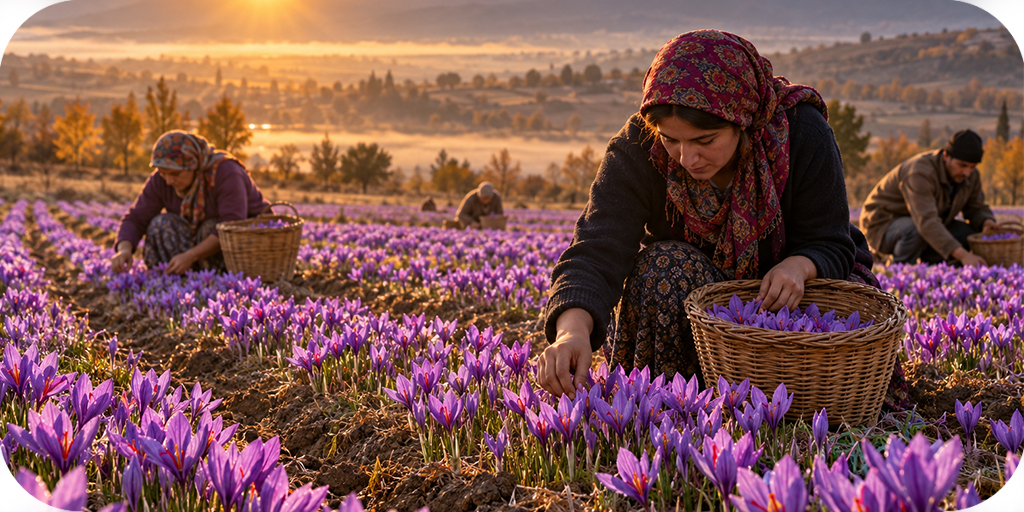
Individual flowers are also short-lived. Workers must collect them promptly to avoid losing valuable material. A large quantity of seasonal labor is therefore needed within a relatively short window. If harvesting is delayed, flowers may deteriorate, increasing the risk of lower yields or damage to the stigmas. Unlike crops that can be harvested repeatedly throughout the year, saffron production is concentrated into one seasonal harvest. This limits how easily farmers can increase supply when demand rises.
4. Drying Reduces Saffron’s Weight and Requires Careful Control
Fresh saffron stigmas lose much of their moisture during drying, leaving a smaller quantity of finished spice.
Harvesting the stigmas is not the final stage. They must be dried to produce the threads sold to consumers and businesses.
Drying serves several important purposes:
- Reducing moisture for better storage stability.
- Developing and preserving characteristic aroma compounds.
- Maintaining desirable color and flavor characteristics.
- Preparing the spice for grading and packaging.
The process requires appropriate temperature, time, and handling conditions. Research shows that drying conditions can influence the development of volatile compounds associated with saffron aroma. Poor drying may damage product quality, while inadequate moisture reduction can create storage problems. Farmers and processors must therefore manage both the reduction in weight and the preservation of product quality. This adds another cost between the freshly harvested flower and the finished saffron.

5. Saffron Cultivation Has Low Yields and Agricultural Risks
Saffron requires considerable cultivation effort despite producing a relatively small amount of spice per unit of land.
Saffron grows from underground corms. Growers must prepare the soil, establish healthy planting material, maintain the crop, and manage growing conditions before the harvest.
Flower production depends on several factors, including:
- Corm size and health.
- Soil conditions and drainage.
- Temperature and seasonal weather.
- Irrigation and field management.
- Crop age and flowering performance.
Saffron can be cultivated in different regions, but not every location provides equally favorable conditions or commercially viable yields. Poor flowering, unsuitable weather, and agricultural problems can reduce the amount of spice obtained from an otherwise costly growing season. These risks matter because farmers cannot simply compensate for a disappointing harvest by collecting large quantities of saffron from another part of the plant.
6. Saffron Grading, Testing, and Quality Control Add Costs
Authentic saffron must be carefully processed and evaluated, and different quality characteristics affect its market value.
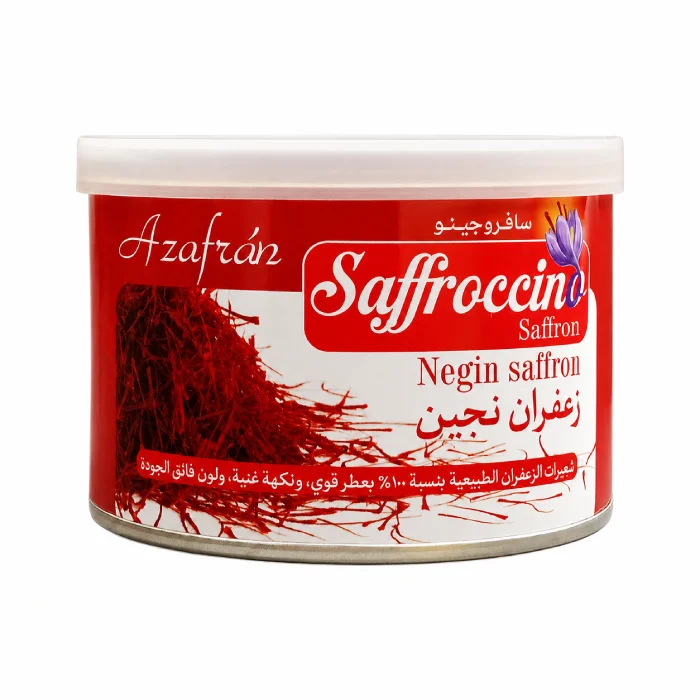
After drying, saffron may be sorted into commercial types such as Super Negin, Negin, Sargol, and Pushal. These types differ in characteristics such as thread appearance, the amount of attached yellow or pale style, and the preparation required. Commercial appearance alone, however, does not establish laboratory quality.
Three important compounds associated with saffron quality are:
| Compound | Main quality characteristic |
|---|---|
| Crocin | Coloring strength |
| Picrocrocin | Characteristic bitter flavor |
| Safranal | Aroma |
The international standard ISO 3632 provides specifications for dried saffron, including filament and powder forms. Laboratory testing helps evaluate quality characteristics and provides a more objective basis for comparing products.
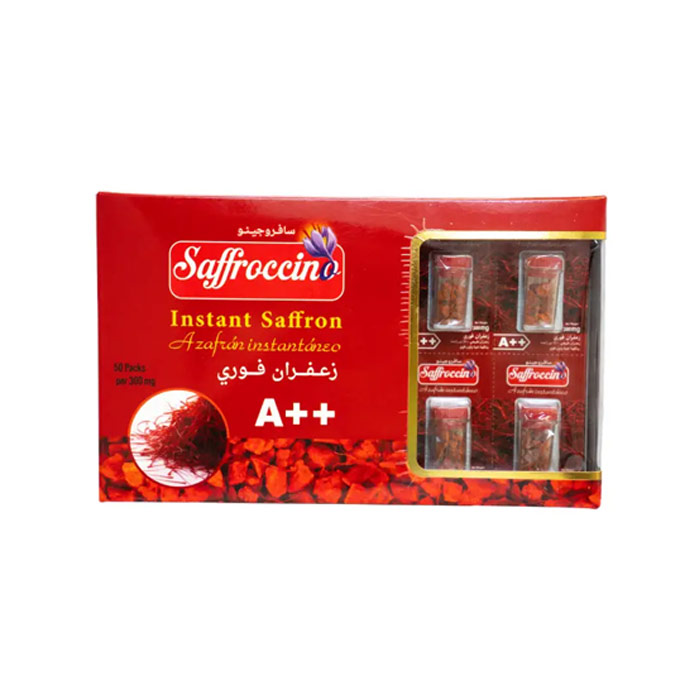
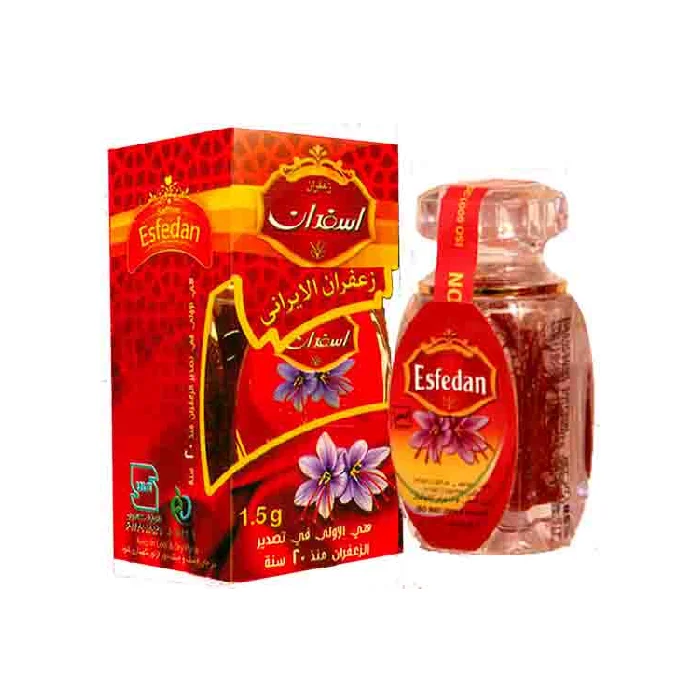
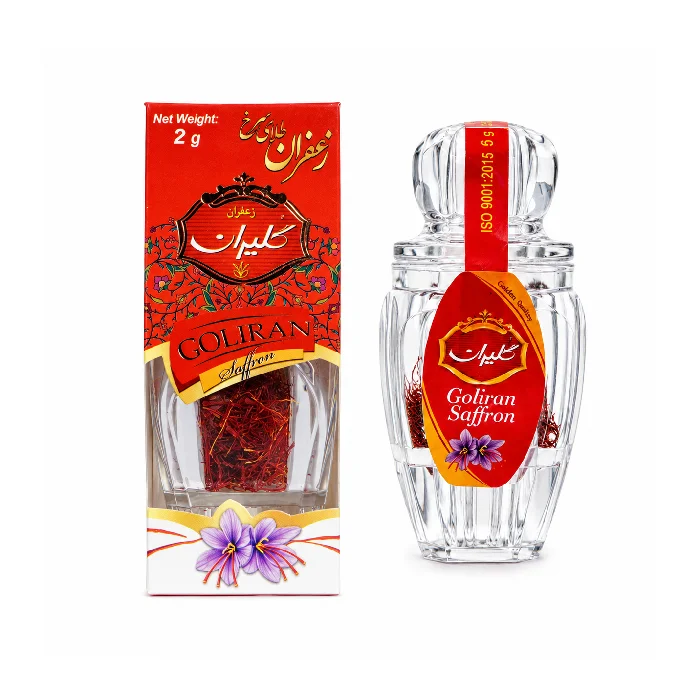
Testing is especially important because saffron’s high value creates an incentive for adulteration. Lower-cost plant material, added dyes, or other substances may be used to imitate genuine saffron. At Esfedan Saffron, quality testing and controlled processing are important parts of how we prepare saffron for international markets. These steps involve additional work, but they help buyers evaluate the product beyond appearance or price alone.
For a closer look at common forms of adulteration, read our guide to real saffron vs fake saffron.
7. Packaging, Distribution, and Global Demand Affect the Final Price
The price paid by a customer includes more than the cost of growing and harvesting saffron.
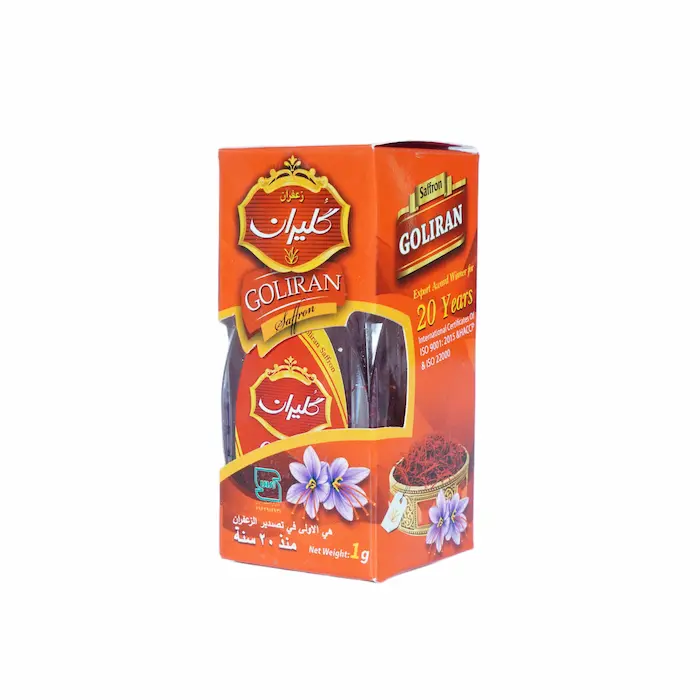
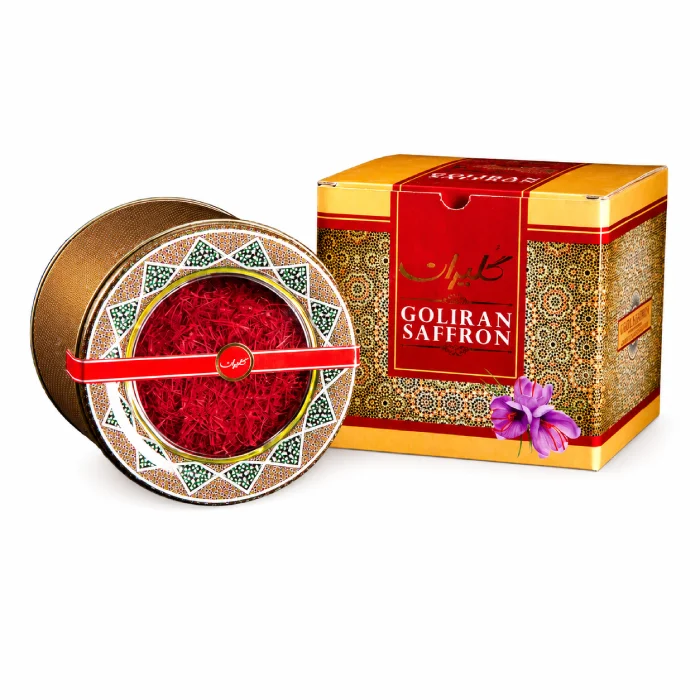
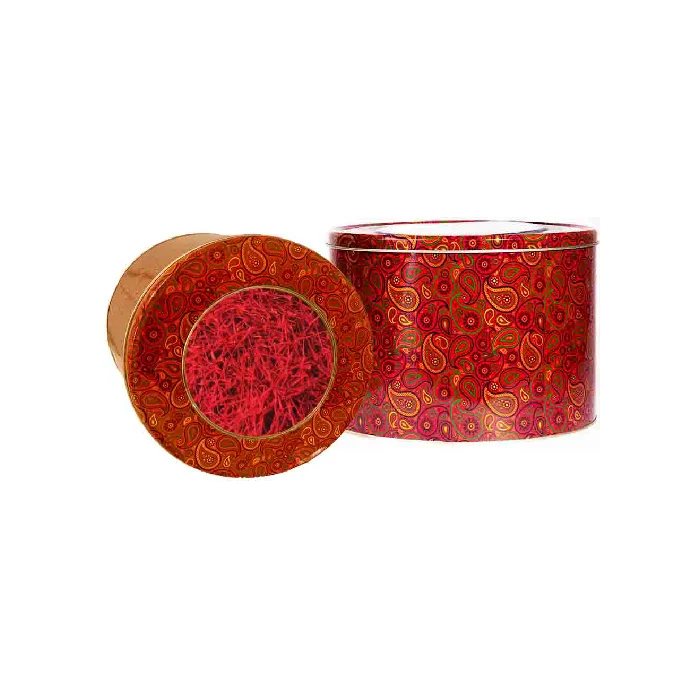
Once the spice has been dried and graded, it must be packaged, stored, transported, and distributed. These costs vary according to the product and destination. For example, a small retail pack may require individual containers, labels, handling, and distribution, while an industrial order uses a different packaging and supply process. International orders may also involve shipping, insurance, customs procedures, and import costs. Demand is another factor. Saffron is used in several international cuisines, and buyers compete for production that cannot be increased immediately. As a result, saffron prices may change from one season or market to another. However, its underlying production costs remain relatively high because of the number of flowers and labor required.
For current commercial quotations, buyers can compare the available grades and quantities through our saffron price and wholesale product range.
How Many Flowers Are Needed to Produce 1 Gram or 1 Kg of Saffron?
Approximately 150 saffron flowers are needed for one gram of dried saffron, or around 150,000 flowers for one kilogram.
These are useful estimates, not exact conversion rates. Scientific studies report different flower requirements depending on stigma size, growing conditions, and production methods.
| Dried saffron | Approximate number of flowers |
|---|---|
| 1 gram | 150 |
| 5 grams | 750 |
| 10 grams | 1,500 |
| 100 grams | 15,000 |
| 1 kilogram | 150,000 |
The calculations use 150 flowers per gram as an illustrative average. A peer-reviewed study on saffron cultivation reports a range of approximately 110,000–165,000 flowers per kilogram, while another scientific review describes a broader range of 70,000–200,000 flowers. This variation is why an exact flower-to-saffron ratio should not be presented as universal.
The important point is that even a few grams of dried saffron require hundreds or thousands of flowers to be grown, collected, and processed.
Why Do Some Saffron Grades Cost More Than Others?
Some saffron grades cost more because they require more selective separation, have different thread characteristics, or meet higher quality specifications.
For example, Super Negin is generally associated with long, well-separated red threads and careful presentation. Sargol consists of red stigma portions, while Pushal typically includes some attached yellow or pale style. The amount of labor required to prepare a particular type can affect its selling price.
However, an attractive appearance does not automatically guarantee better coloring strength, aroma, or purity. A fair comparison should also consider laboratory results.
The most useful criteria are:
- Saffron type and grade.
- Purity and moisture content.
- Coloring strength and other tested characteristics.
- Product origin and handling.
- Order quantity and packaging.
This explains why two genuine saffron products can have different prices without either necessarily being counterfeit.
For an up to date comparison of selling prices, see our saffron price per gram & kg guide.
Why Does Iranian Saffron Play Such an Important Role in the Global Market?
Iran is the world’s leading saffron producer, accounting for more than 90% of global production, according to the FAO. Its long history of cultivation, skilled farmers, and established processing expertise make Iranian saffron a major source of premium-quality saffron for international markets.
Producing high-quality Iranian saffron requires careful harvesting, stigma separation, drying, and laboratory testing. These labor-intensive processes contribute to its value, while quality differences between individual products should be assessed through purity, coloring strength, aroma, and documented specifications.
Is Expensive Saffron Worth the Price?
Genuine saffron can offer good value despite its high price per gram because relatively small quantities provide noticeable color, aroma, and flavor.
The useful comparison is not simply the price of the package. It is the cost of the quantity needed for a particular purpose.
For example, if a recipe uses 0.1 gram of saffron, a one-gram package can provide ten portions of that amount. The actual cost per recipe therefore depends on the price paid and the quantity used. Quality also matters. A product with suitable coloring strength and aroma may deliver more consistent results than one with weak or deteriorated characteristics. That does not mean the most expensive saffron is always the best choice. A higher price may reflect premium packaging, smaller quantities, retailer margins, or a specific commercial grade rather than a proportionate improvement in quality. Likewise, cheap saffron is not automatically fake. Larger orders, different grades, and simpler packaging can all reduce its selling price.
When comparing cheap vs expensive saffron, the most reliable approach is to assess the stated grade, origin, purity, and available quality information. Our guide to purchasing saffron explains the main factors buyers should examine.
Frequently Asked Questions About Why Saffron Is Expensive
Why is saffron so expensive compared with other spices?
Saffron is more expensive than most spices because each flower produces only three tiny stigmas that must be harvested and separated by hand. Its low yield and short harvest season further increase production costs.
Is saffron the most expensive spice in the world?
Yes, saffron is generally considered the world’s most expensive commonly traded culinary spice by weight. Its high price results from low yields and labor-intensive production, as explained in our guide to the Expensive Spices in the World.
Is saffron more expensive than gold?
No, gold generally costs much more per gram than saffron. Saffron is called “red gold” because of its exceptional value among spices.
Why is saffron so much more expensive than turmeric?
Saffron is more expensive because its tiny stigmas must be collected by hand, while turmeric produces much larger harvestable rhizomes. Learn more about their differences in our Saffron vs Turmeric comparison.
Can cheap saffron still be genuine?
Yes, genuine saffron can be cheaper depending on its grade, origin, packaging, or purchase quantity. However, unusually low prices should prompt buyers to check its authenticity and quality.
Why is saffron more expensive per gram in small packages?
Small saffron packages cost more per gram because packaging, labeling, and handling expenses are spread over smaller quantities. Bulk purchases typically offer a lower price per gram.
Final Thoughts: Why Does Saffron Cost So Much?
Saffron’s high price is primarily the result of its very low yield and labor-intensive production. Thousands of flowers must be harvested and processed to produce a small quantity of dried spice. A short flowering season, controlled drying, quality checks, and distribution costs increase the price further.
Understanding these factors makes it easier to compare saffron products based on their actual quality and production requirements—not simply their price tags
Scientific References
- Saffron: The Colourful Spice — Production and labor costs.
- Saffron Cultivation — Flower yields and cultivation.
- Saffron Drying — Drying and aroma compounds.
- ISO 3632-1:2025 — Saffron quality standards.