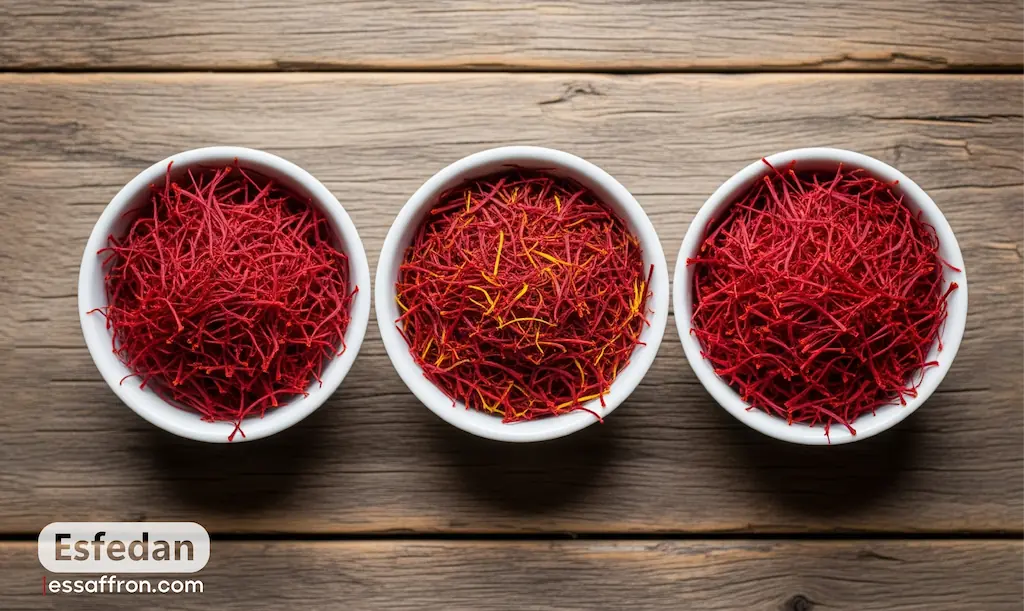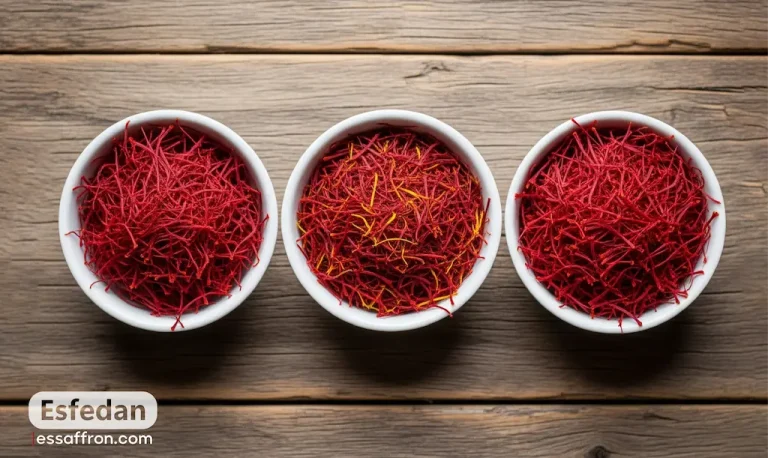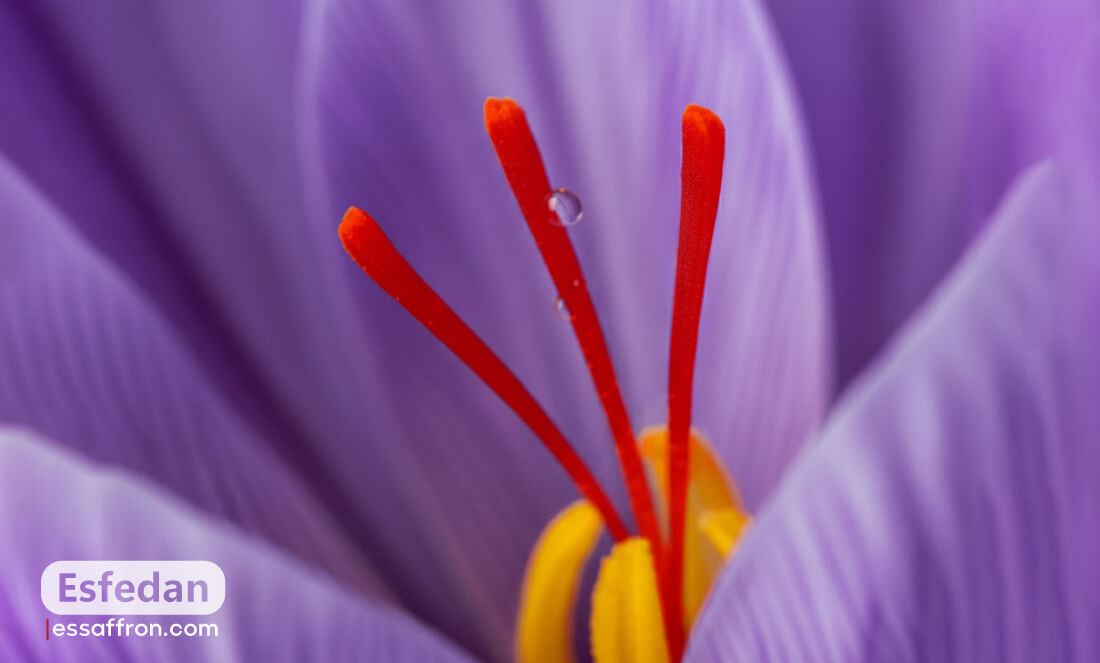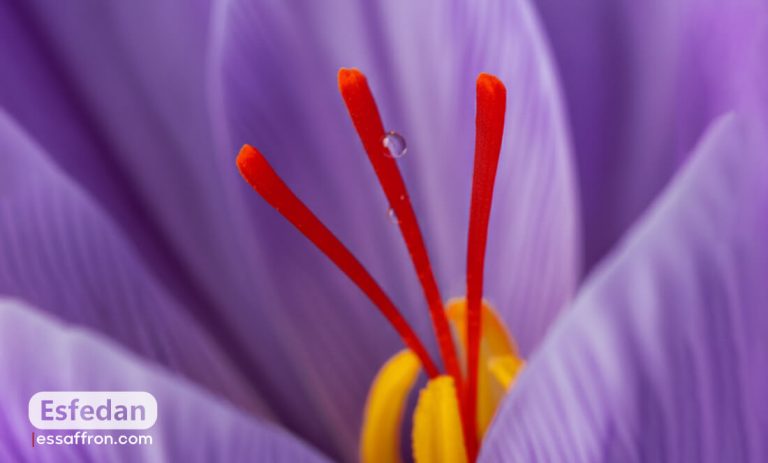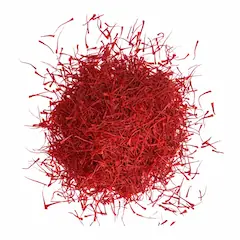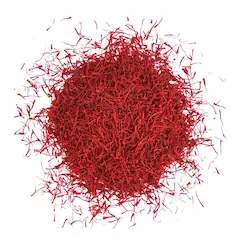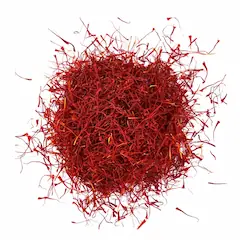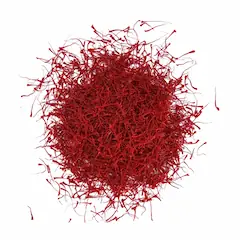
Sargol saffron is one of the most recognized types of Iranian saffron. It consists exclusively of the red stigma of the Crocus sativus L. flower, with the yellow and white style removed during processing.
This all-red composition gives Sargol its distinctive appearance, high purity, strong coloring performance, characteristic aroma, and rich saffron flavor. Compared with Negin and Super Negin, Sargol threads are generally shorter and may contain some naturally broken pieces.
These characteristics are normal for this grade and do not indicate lower purity. In Sargol saffron, the quality and performance of the red stigma are more important than exceptionally long or perfectly uniform threads.
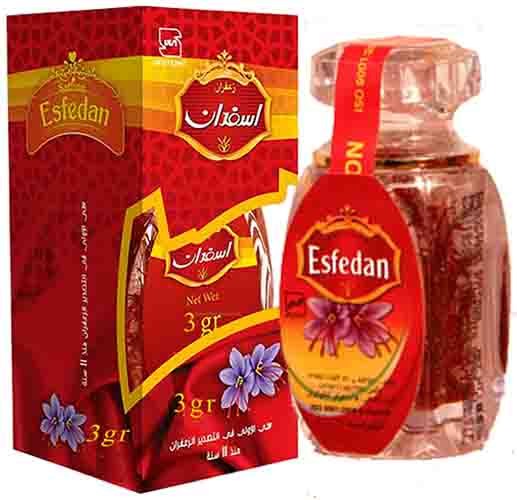

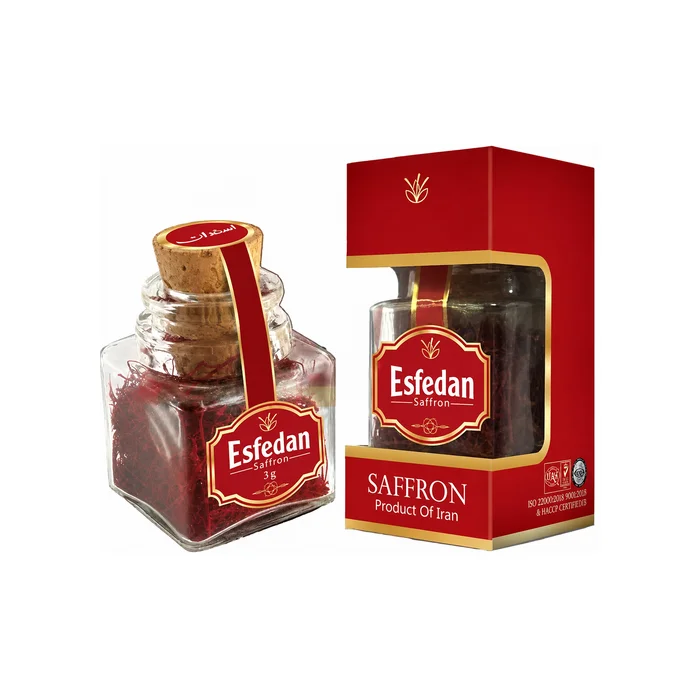
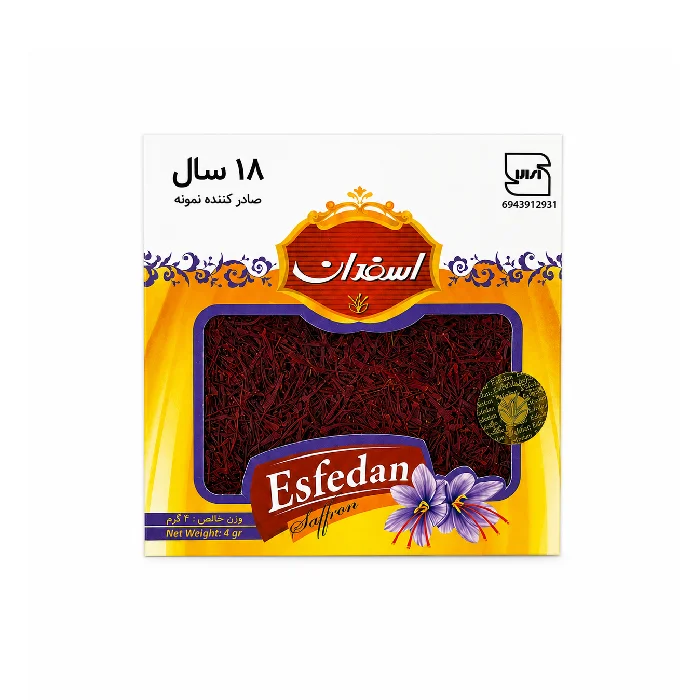
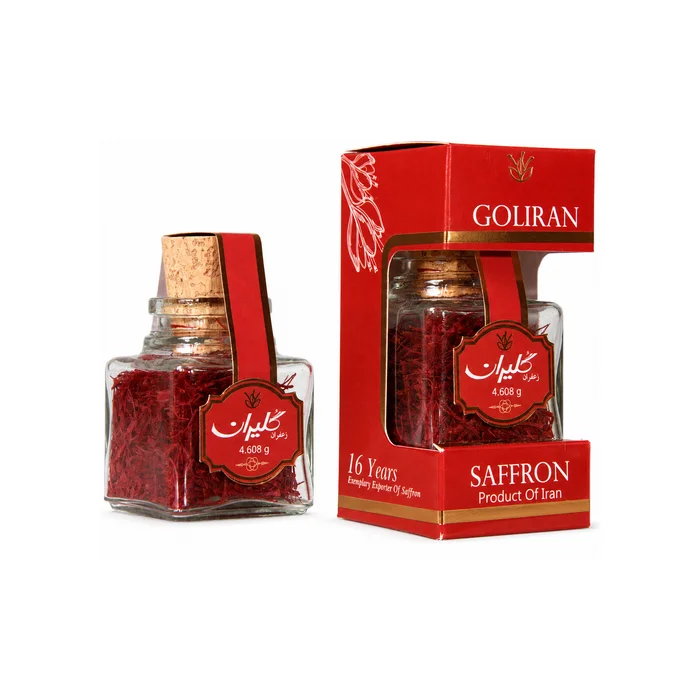
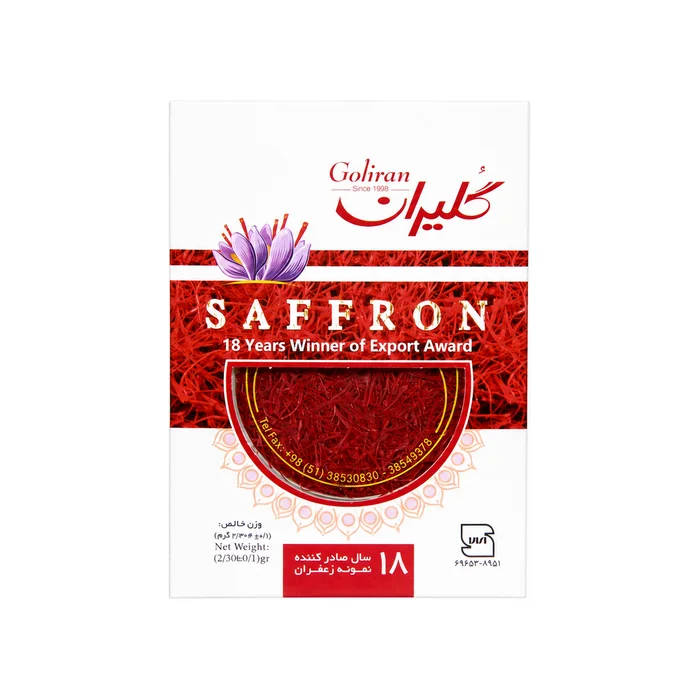
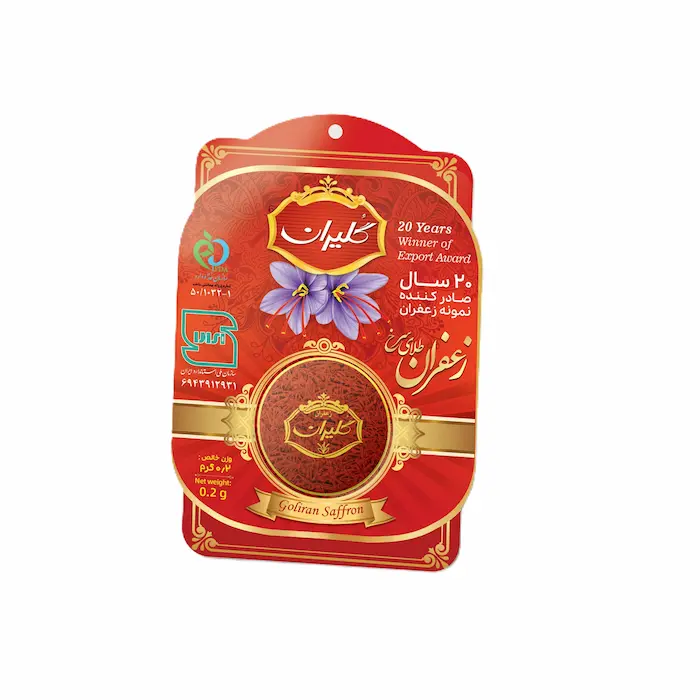
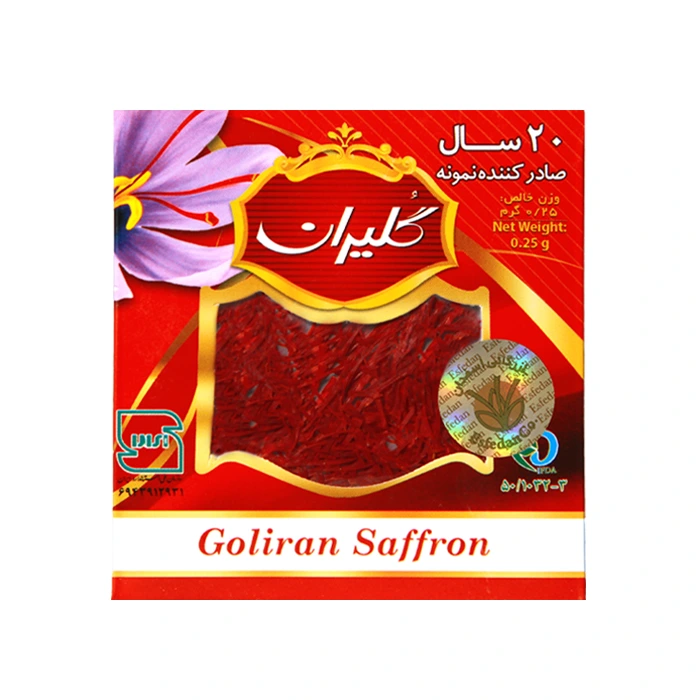
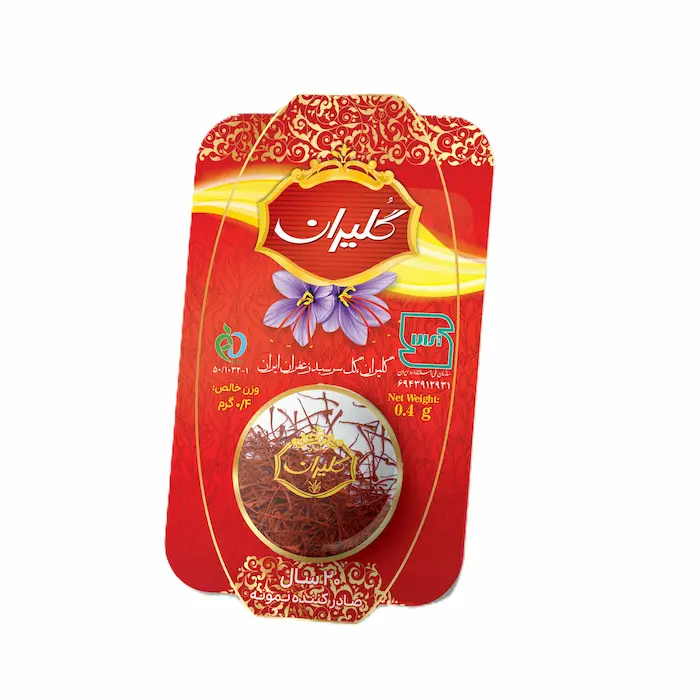
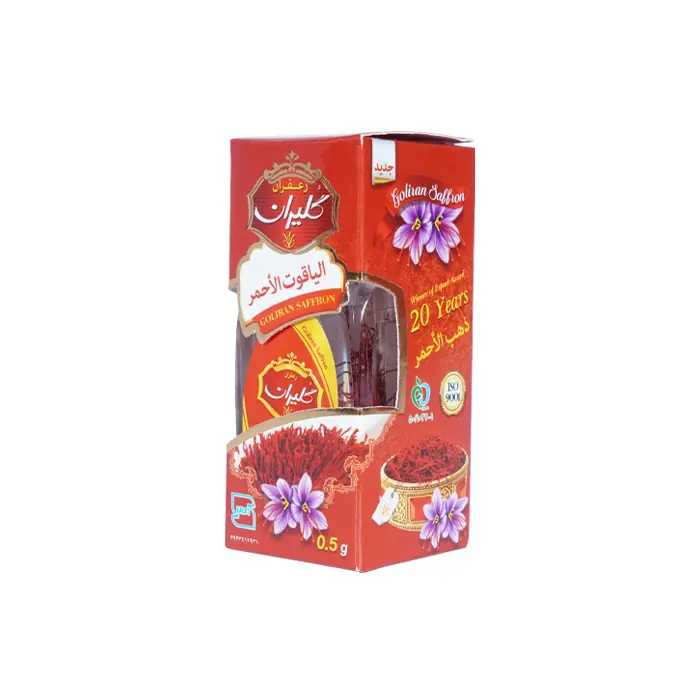
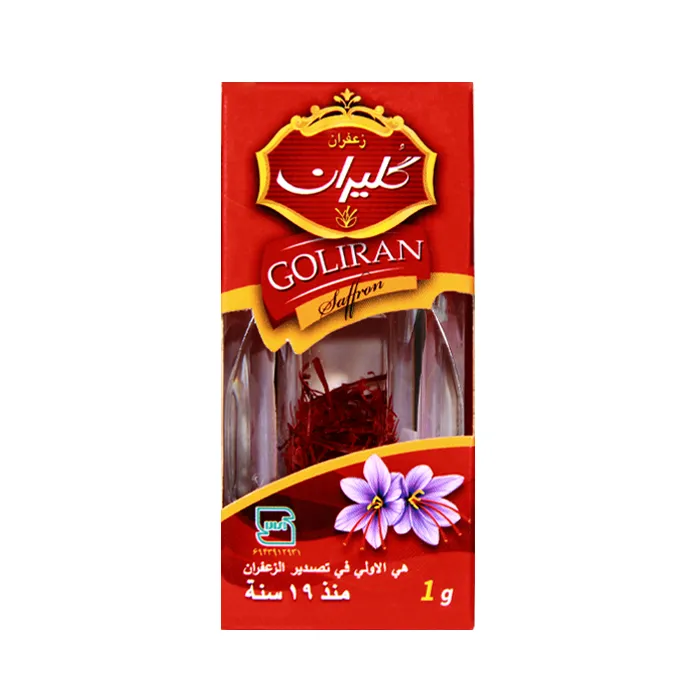
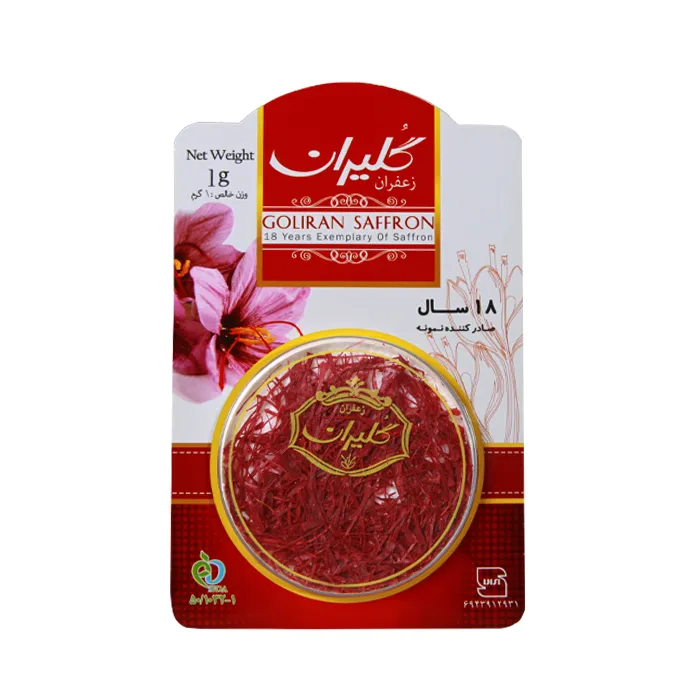
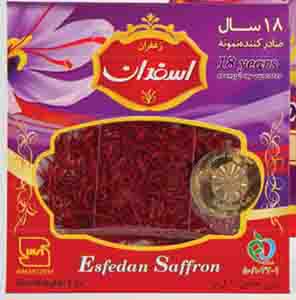
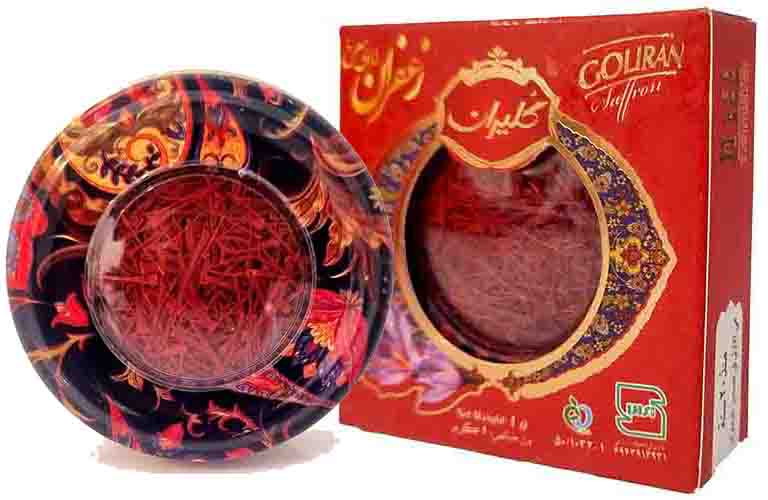

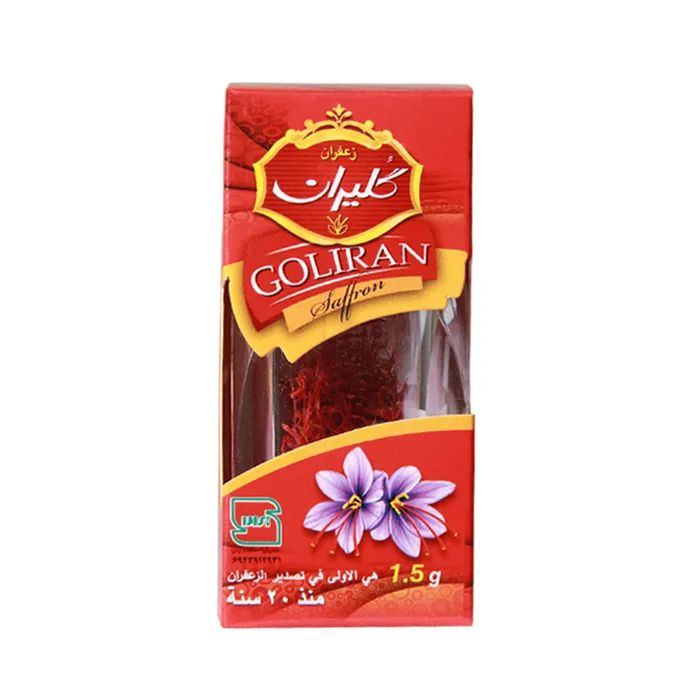
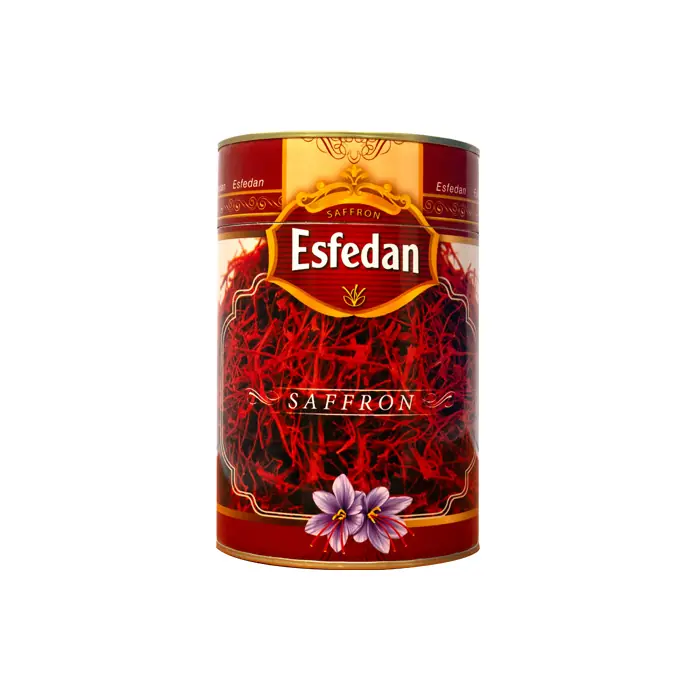
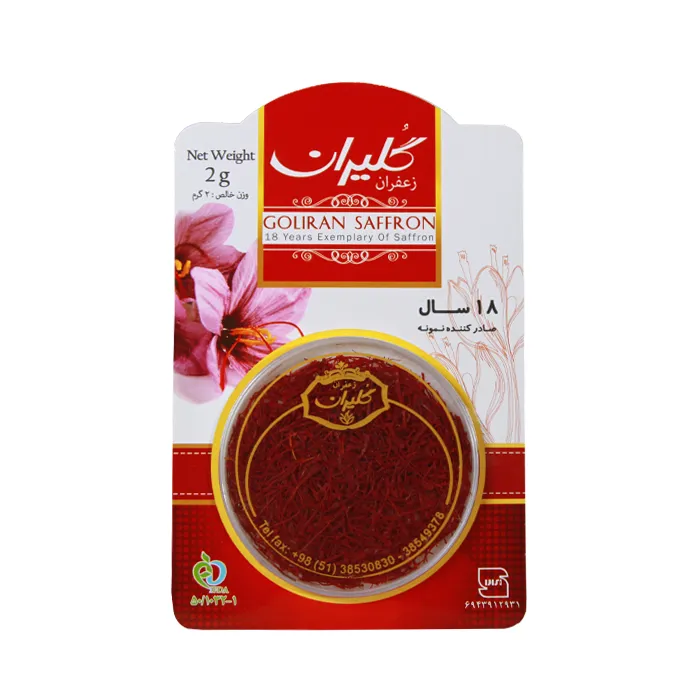

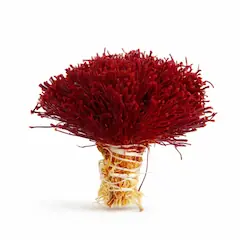
The defining characteristic of Sargol saffron is its fully red appearance. Unlike Pushal and Bunch saffron, the yellow or white style is removed, leaving only the red part of the stigma.
Typical characteristics of Sargol include:
Among different saffron threads, Sargol is easy to recognize by its fully red stigma and the absence of the yellow or white style, which distinguishes it visually from Pushal and Bunch saffron.
The quality of Sargol saffron should not be judged by appearance alone. Laboratory measurements provide a more reliable way to assess its coloring strength, aroma, flavor, purity, and moisture.
Three natural components are particularly important when evaluating saffron quality:
Crocin is primarily responsible for saffron’s coloring strength. A higher Crocin value generally indicates stronger coloring performance.
Safranal is one of the principal compounds associated with saffron’s distinctive aroma.
Picrocrocin contributes to the characteristic taste and natural bitterness of saffron.
High-quality Sargol should combine strong analytical performance with controlled moisture, low levels of foreign matter, and the absence of artificial colorants.
Physical, chemical, and microbiological testing provides a more objective assessment of Sargol saffron than visual inspection alone. The following parameters can be used to evaluate its coloring performance, aroma, flavor, purity, moisture, and microbiological quality.
| Test Parameter | Category III | Category II | Category I | Extra | Sargol Result | Test Method |
| Extraneous floral and plant matter, max. % | 5 | 3 | 0.5 | 0.25 | 0.10 | ISO 3632-2:2010 |
| Foreign plant matter, max. % | 1 | 0.5 | 0.1 | 0.1 | 0.04 | ISO 3632-2:2010 |
| Moisture and volatile matter, max. % | 12 | 12 | 12 | 12 | 6.98 | ISO 3632-2:2010 |
| Coloring strength – Crocin at 440 nm | Min. 120 | Min. 170 | Min. 200 | Min. 230 | 235–260 | ISO 3632-2:2010 |
| Flavor strength – Picrocrocin at 257 nm | Min. 40 | Min. 55 | Min. 70 | Min. 80 | 85–100 | ISO 3632-2:2010 |
| Aroma strength – Safranal at 330 nm | 20–50 | 20–50 | 20–50 | 30–50 | 28–50 | ISO 3632-2:2010 |
| Cold-water-soluble extract, max. % | 65 | 65 | 65 | 65 | 58.92 | ISO 3632-2:2010 / ISO 941 |
| Artificial colorants | Negative | Negative | Negative | Negative | Negative | ISO 3632-2:2010 |
| Total ash, max. % | 8 | 8 | 8 | 8 | 4.37 | ISO 3632-2:2010 / ISO 928 |
| Acid-insoluble ash, max. % | 1.5 | 1 | 1 | 1 | 0.34 | ISO 3632-2:2010 / ISO 930 |
| Total microbial count | Max. 3 × 10⁵ CFU/g | — | — | — | 2 × 10³ CFU/g | INSO 5272-1 |
| Escherichia coli | Negative | — | — | — | Negative | INSO 2946 |
These measurements provide useful information beyond the visual appearance of the threads. In particular, Crocin indicates coloring strength, while Safranal and Picrocrocin provide measurable indicators related to aroma and flavor. Controlled moisture, low foreign matter, and the absence of artificial colorants are also important indicators of quality and purity.
Sargol, Negin, and Pushal all come from the same saffron flower, but they differ in the part of the filament retained and the appearance of the finished saffron.
| Feature | Sargol | Negin | Pushal |
| Color | Fully red | Fully red | Red with some yellow |
| Yellow Style | None | None | Present |
| Thread Length | Shorter | Longer | Medium to long |
| Thread Structure | May contain broken pieces | Longer and more uniform | Stigma with part of the style attached |
| Coloring Performance | High | Very high | High |
| Appearance | Clean and all-red | Long and refined | More natural filament structure |
Sargol is particularly suitable when strong color, aroma, and flavor are the main priorities and very long decorative threads are not essential.
Negin and Super Negin place greater emphasis on thread length, thickness, and visual uniformity. Pushal, on the other hand, retains part of the lighter yellow or orange style and therefore has a more natural filament appearance.
Sargol is closely associated with the traditional Iranian classification of saffron. Iran has a long-established saffron industry and produces several familiar grades, including Sargol, Negin, Super Negin, Pushal, and Bunch.
Although there are several saffron producing countries, origin alone does not determine the quality of an individual sample. Growing conditions, harvesting, separation, drying, storage, purity, and chemical characteristics can all influence the final quality.
Similarly, the phrase best saffron in the world should not be interpreted as referring to a single grade based only on appearance or country of origin. Measurable characteristics such as Crocin, Safranal, Picrocrocin, moisture, purity, and freshness provide a more meaningful basis for comparing saffron.
Sargol is particularly useful in applications where saffron is valued primarily for its color, aroma, and flavor rather than for exceptionally long decorative threads.
Common applications include:
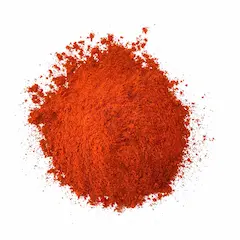
In many culinary applications, Sargol is crushed, ground, infused, or incorporated into other ingredients before serving, so its shorter filament structure generally does not limit its practical use. Applications that require a ready-to-use, uniform ground format can also consider saffron powders as a separate product option.
Saffron also contains naturally occurring bioactive compounds that have been widely studied. Readers interested in this separate subject can explore our dedicated Health Benefits of Saffron guide.
Good Sargol saffron should have a naturally deep-red appearance with little or no visible yellow or white material.
The threads should be dry rather than moist, sticky, or oily. Their aroma should be distinct and characteristic of saffron, without an artificial or perfumed smell.
When placed in water, genuine saffron releases its color progressively rather than instantly producing an unnaturally intense red solution.
However, appearance and simple home tests have limitations. Laboratory measurements provide a more dependable basis for evaluating saffron. Crocin, Safranal, Picrocrocin, moisture, foreign matter, and artificial colorants are particularly useful parameters when comparing different samples.
The saffron price for Sargol can vary according to several factors, including harvest quality, coloring strength, purity, thread condition, processing quality, freshness, origin, and market conditions.
For this reason, two products carrying the same Sargol classification may not necessarily have the same quality or value.
When comparing prices, it is useful to consider measurable quality indicators alongside the visual appearance of the saffron. Crocin level, moisture content, purity, aroma and flavor characteristics, and the absence of artificial colorants can provide a clearer indication of the quality represented by the price.
If you want to buy saffron in an all-red form where coloring strength, aroma, and flavor take priority over exceptionally long threads, explore the Sargol products available in this category.
Compare the available options by Crocin level, thread condition, pack size, batch specifications, and intended use to select the most suitable Sargol product.
Esfedan has been active in the saffron industry since 1964 and manages different stages of saffron production, from cultivation and harvesting to processing, drying, quality control, and packaging.
As a specialized saffron company, Esfedan evaluates Sargol using both visual grading and laboratory analysis. This approach makes it possible to assess not only the appearance of the threads but also measurable characteristics such as coloring strength, aroma, flavor, moisture, purity, and microbiological quality.
Esfedan operates specialized saffron processing facilities and follows recognized quality and food-safety systems, including ISO 22000, FSSC 22000, HACCP, Halal, Iran National Standard, and the Iranian FDA Health Code.
For information about larger commercial quantities and other saffron formats, visit our dedicated saffron bulk category.