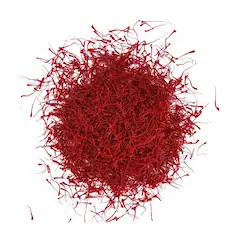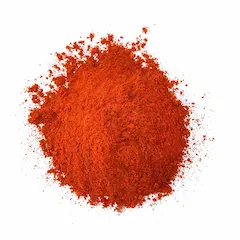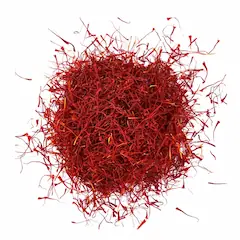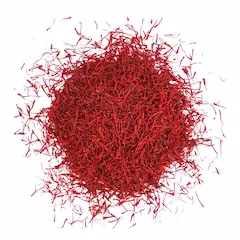


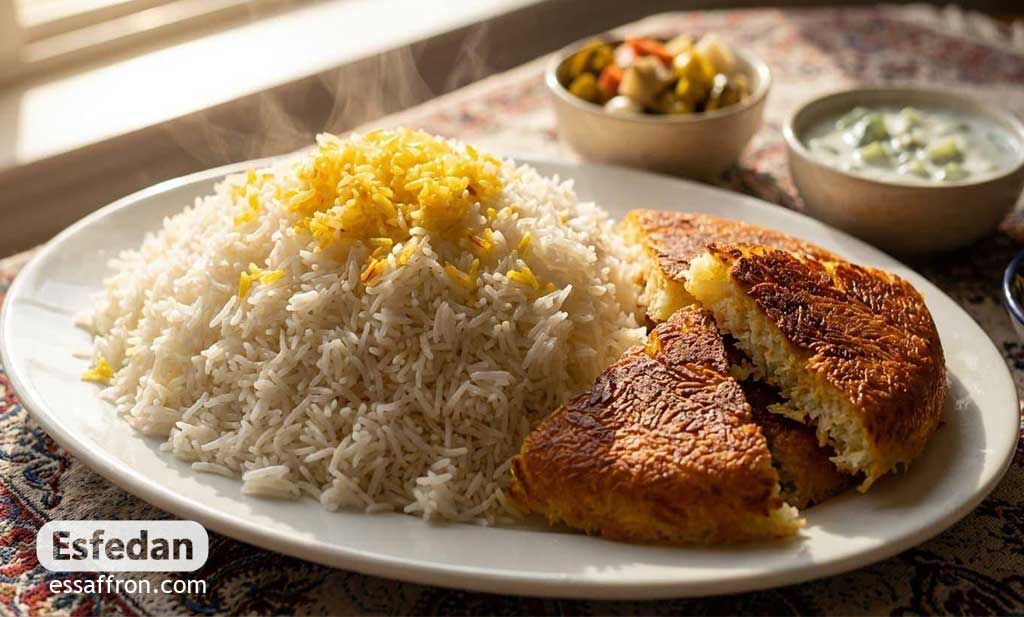
Iranian saffron rice is a fragrant, golden-colored rice dish made with aromatic Iranian rice, saffron, onions, and flavorful stock. Saffron gives the rice its beautiful golden color, distinctive aroma, and delicate flavor.
In this easy, one-pot recipe, the rice absorbs the saffron infusion while cooking, creating a flavorful dish with tender, separate grains. Unlike traditional Persian chelow, which is usually parboiled, drained, and steamed, this method cooks the rice directly in saffron-infused liquid.
If you enjoy cooking with saffron, explore our recipe collection for more Persian dishes, desserts, and beverages.
Preparation Time: 5 minutes
Cooking Time: Approximately 45 minutes
Total Time: Approximately 50 minutes
Servings: 12 small side-dish portions

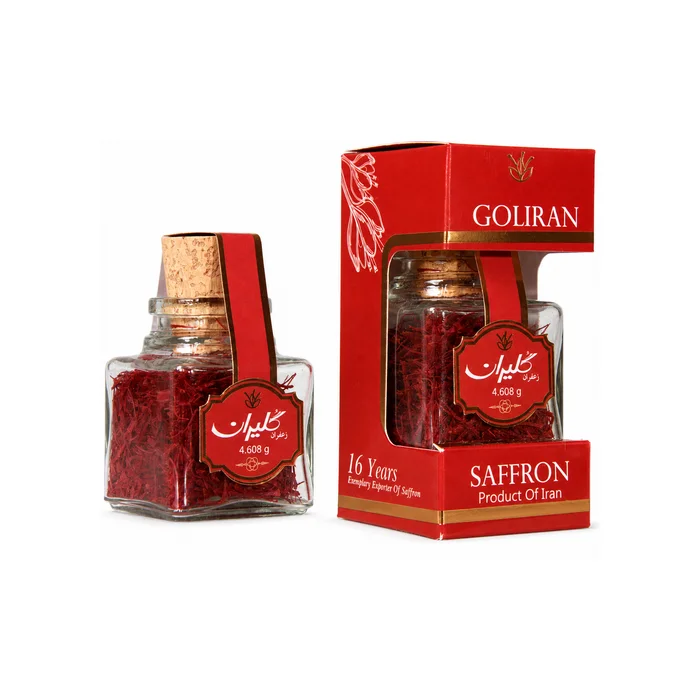
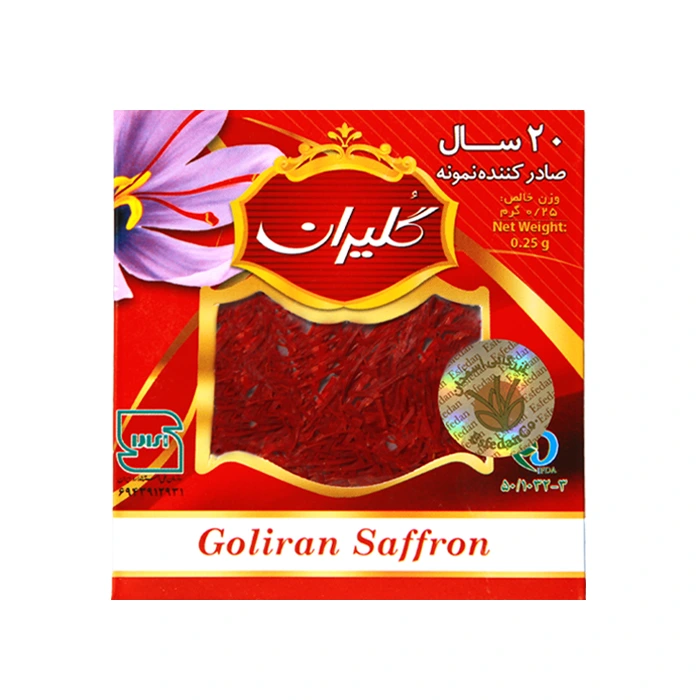
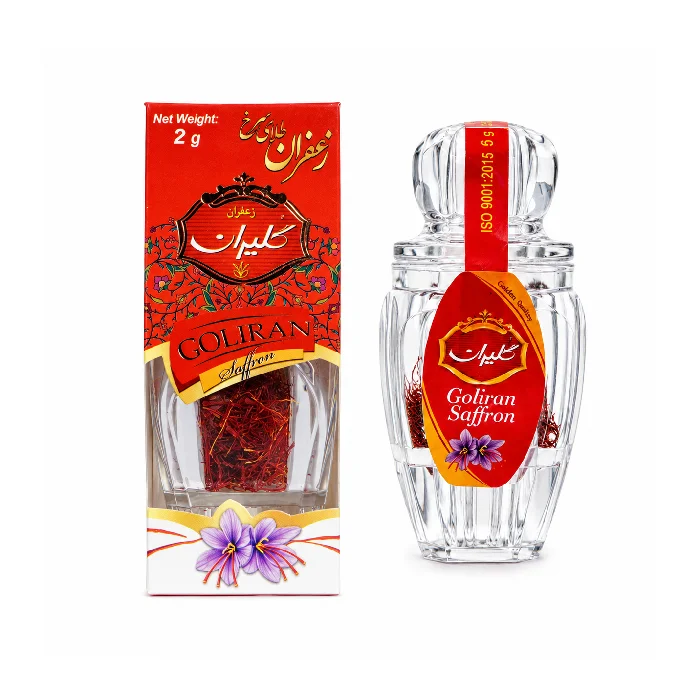

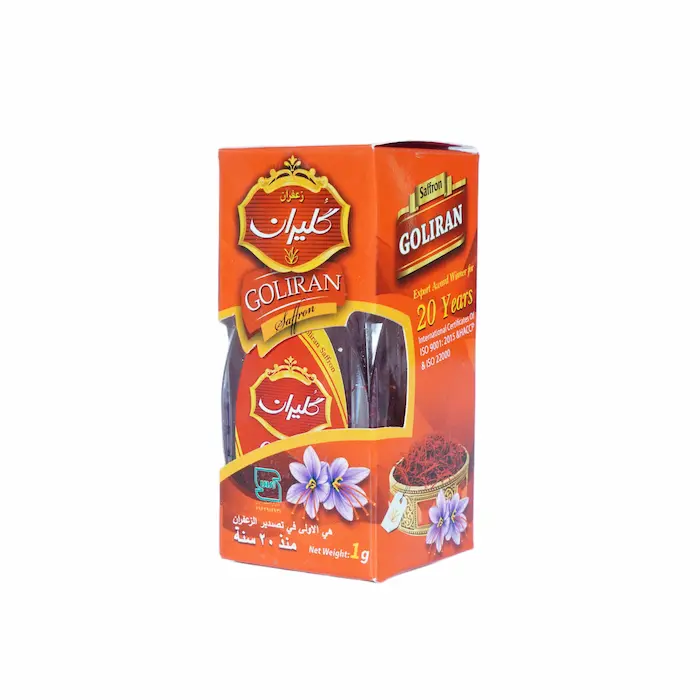
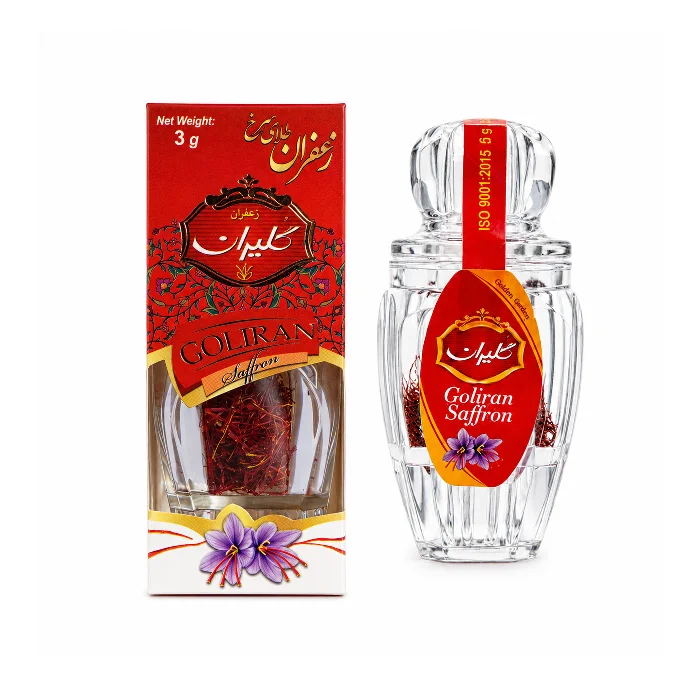
Ingredients for Iranian Saffron Rice
- 2 cups white Iranian rice
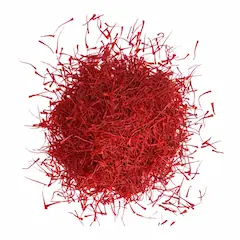
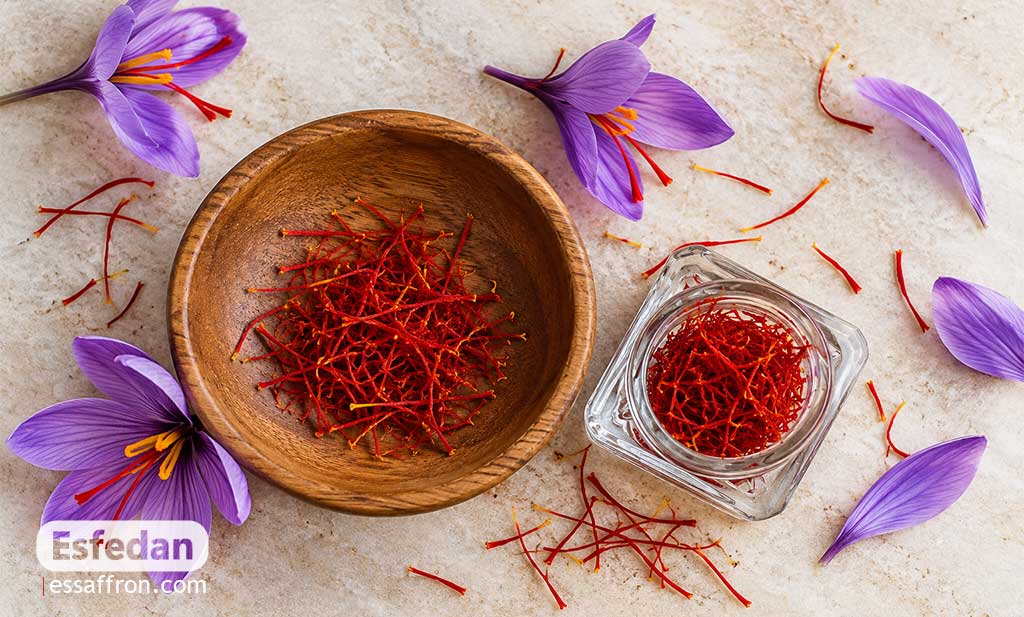
- ¼ teaspoon saffron threads
- ¼ cup hot water
- 2 tablespoons extra virgin olive oil
- ¾ cup finely chopped yellow onion
- 3 cups chicken or vegetable stock
- ¾ teaspoon salt, or to taste
Note: Iranian rice varieties differ in their water absorption and cooking times. The liquid quantity and cooking time may need adjustment depending on the rice variety.
How to Make Iranian Saffron Rice Step by Step
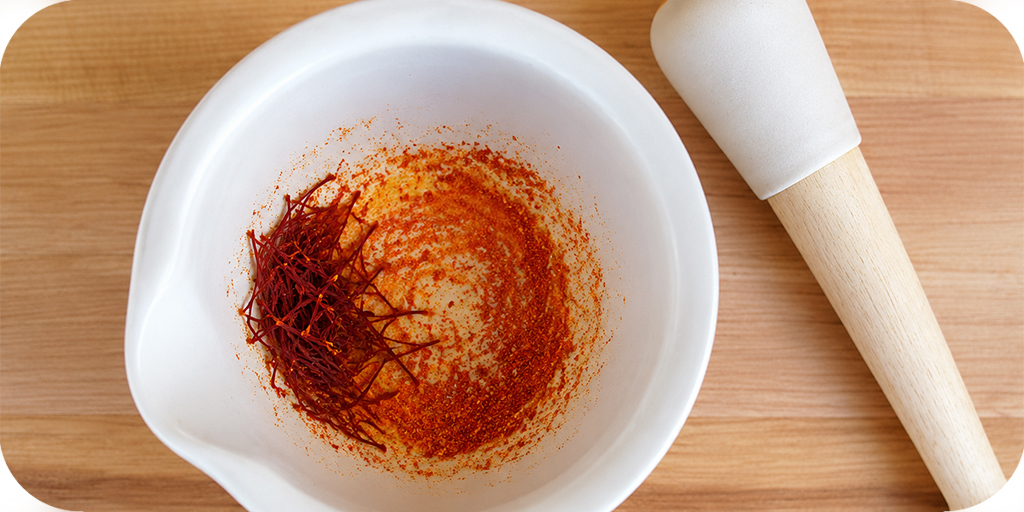
Step 1: Grind Half of the Saffron Threads
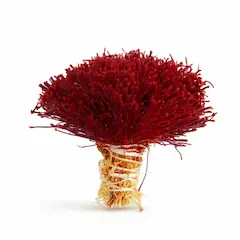
Place ⅛ teaspoon of saffron threads in a mortar and crush them with a pestle until they form a fine powder. Add the remaining ⅛ teaspoon of whole saffron threads to the mortar without grinding them.
Combining ground saffron with whole threads helps release the spice’s natural color and aroma while leaving some visible saffron strands in the finished rice.
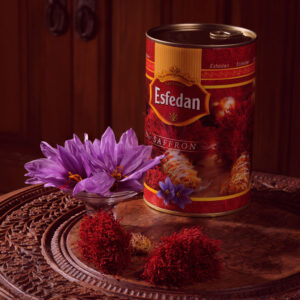
Using high-quality Iranian saffron is important because its coloring strength, aroma, and flavor directly influence the final dish.
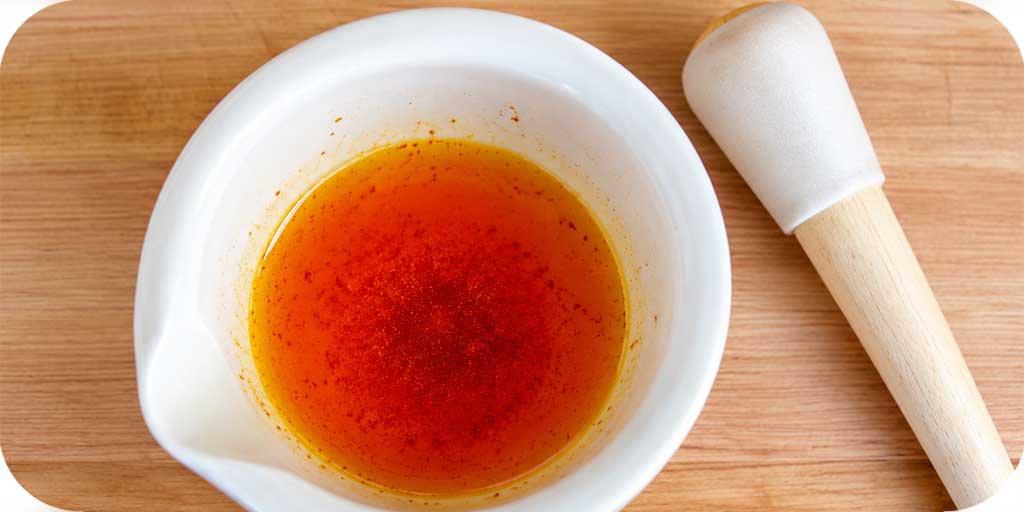
Step 2: Bloom the Saffron in Hot Water
Pour ¼ cup of hot water over the saffron in the mortar. Allow the saffron to steep for approximately 5 minutes. During this time, the water will gradually turn a rich golden-yellow color as the saffron releases its natural pigments and aroma. Keep the entire saffron infusion, including the threads, for the next cooking steps.
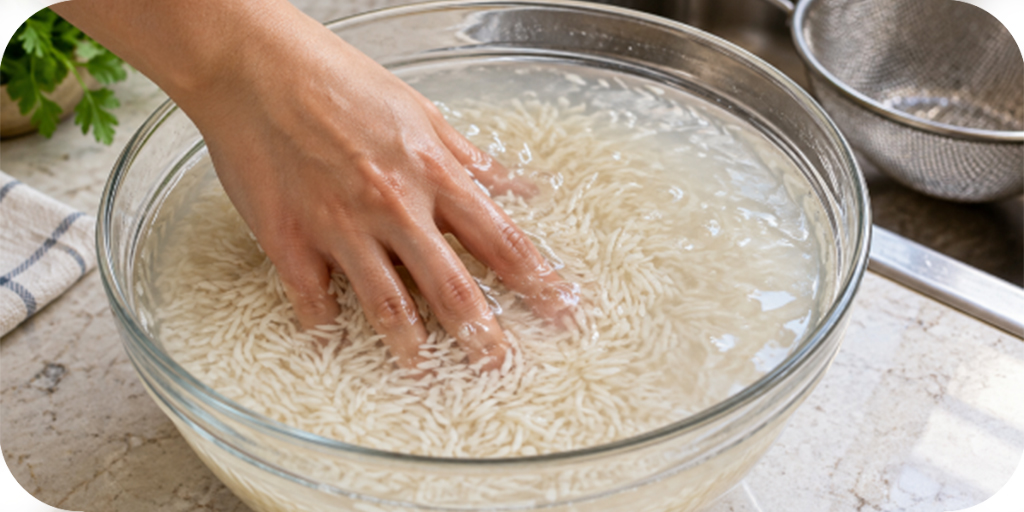
Step 3: Rinse and Drain the Iranian Rice
Check the Iranian rice for any unwanted particles and remove them if necessary.
Place the rice in a fine-mesh strainer or colander and rinse it gently under cool running water to remove excess surface starch. Allow the rice to drain thoroughly before adding it to the cooking pot. Rinsing helps prevent the grains from becoming overly sticky during cooking. This recipe does not require soaking the rice in advance. However, some Iranian rice varieties benefit from soaking, so adjust the preparation method according to the rice you use.
Step 4: Sauté the Chopped Onion
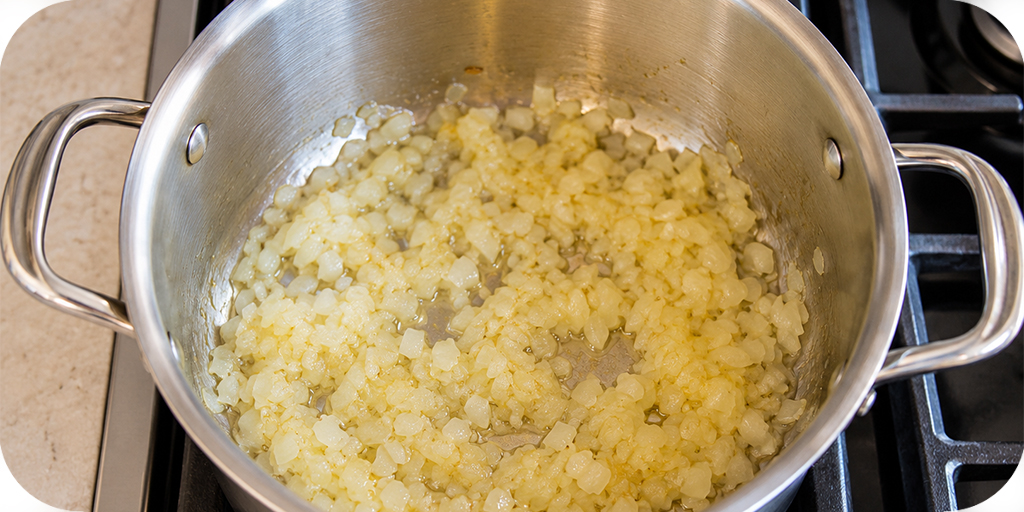
Place a large, heavy-bottomed pot over medium heat and add 2 tablespoons of extra virgin olive oil. Add the finely chopped yellow onion and sauté for approximately 10 minutes, stirring frequently. The onion should become soft and translucent, with the first signs of light caramelization. Avoid burning the onion, as this can introduce a bitter taste to the finished rice.
Step 5: Add the Iranian Rice to the Onion
Transfer the rinsed and drained Iranian rice into the pot containing the sautéed onion. Gently stir the rice for approximately 1 minute, allowing the grains to become lightly coated with the olive oil and onion mixture. Stir carefully to avoid breaking the delicate rice grains.
Step 6: Pour in the Saffron Infusion
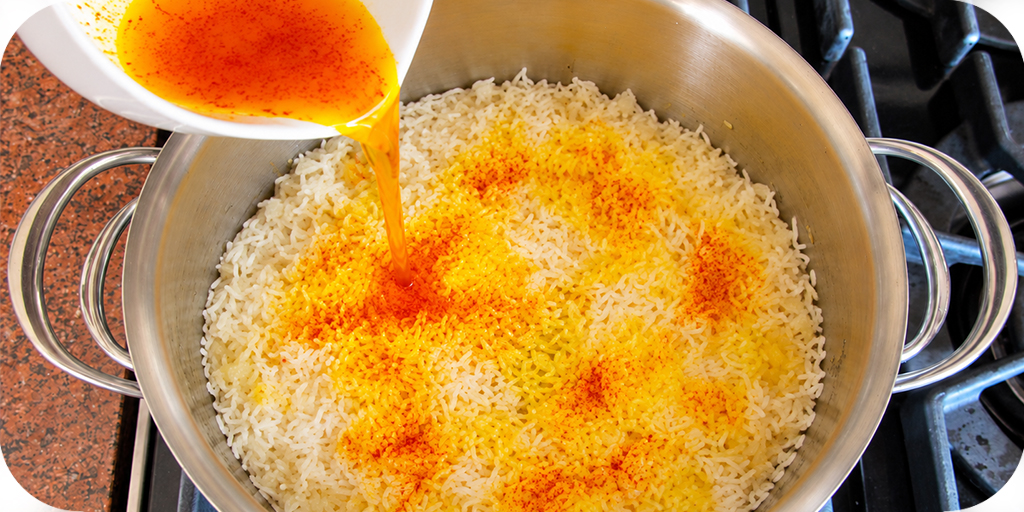
Pour the prepared saffron infusion evenly over the rice. Make sure to include both the golden liquid and the saffron threads remaining in the mortar. As the rice cooks, the saffron infusion will gradually distribute its color and aroma throughout the dish.
Step 7: Add the Stock and Bring to a Boil
Pour 3 cups of chicken or vegetable stock into the pot and add ¾ teaspoon of salt. Gently stir the ingredients to distribute the saffron, onions, and seasonings evenly. Increase the heat and bring the liquid to a boil. Once the mixture begins boiling, stir it briefly and allow it to return to a boil for approximately 30 seconds.
Step 8: Cover and Cook on Low Heat
Cover the pot with a tight-fitting lid and immediately reduce the heat to low. Allow the rice to cook undisturbed for approximately 20 minutes.
During this stage, the rice grains gradually absorb the saffron-infused stock and become tender. Avoid lifting the lid frequently, as escaping steam can interfere with even cooking. Because Iranian rice varieties have different cooking characteristics, check whether the rice needs a little more liquid or additional cooking time.
Step 9: Let the Rice Rest for 10 Minutes
Once the rice is tender and the cooking liquid has been absorbed, turn off the heat. Keep the lid on the pot and allow the rice to rest for another 10 minutes. The trapped steam helps finish cooking the grains and allows the remaining moisture to distribute evenly. Do not stir the rice during this resting period.
Step 10: Fluff the Rice and Serve
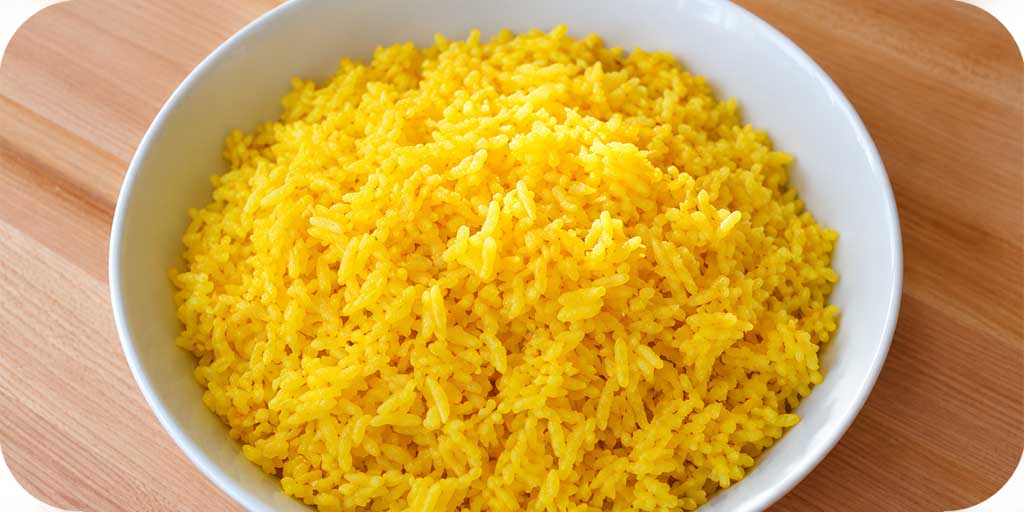
Remove the lid and gently fluff the cooked rice with a fork. Carefully lift and separate the grains while incorporating the softened onions throughout the rice.Avoid pressing or stirring aggressively, as this can break the grains and make the rice sticky. Transfer the saffron rice to a serving bowl or platter. Serve warm alongside grilled chicken, Persian kebabs, roasted vegetables, or other savory dishes.
Tips for Making Perfect Iranian Saffron Rice
Choose high-quality Iranian rice. Aromatic Iranian rice varieties can provide excellent flavor and texture. Select a variety suitable for one-pot cooking and adjust the water quantity as needed.
Bloom the saffron before cooking. Steeping saffron threads in hot water helps distribute their natural color and aroma evenly throughout the rice.
Use the right amount of saffron. A small quantity of high-quality saffron is usually sufficient to add noticeable color and aroma. If you are comparing different saffron grades before purchasing, our Saffron Price guide provides additional information about pricing and quality factors.
Use a heavy-bottomed pot. A thick-bottomed pot distributes heat more evenly and reduces the risk of scorching.
Avoid stirring the rice during cooking. Excessive stirring can break the grains and make the rice sticky.
Keep the lid closed. Trapped steam plays an important role in cooking the rice evenly.
Adjust the salt according to the stock. If you use low-sodium stock, you may need slightly more salt.
Allow the rice to rest before serving. A short resting period helps the grains settle and improves their texture.
For a vegetarian version, replace the chicken stock with vegetable stock. You can also use water, although the finished rice will have a milder savory flavor.
What to Serve with Iranian Saffron Rice
Iranian saffron rice pairs well with many traditional Persian dishes and other savory meals.
Some popular serving options include:
- Joojeh Kebab: Persian grilled chicken marinated with saffron and other seasonings.
- Koobideh Kebab: Grilled minced-meat kebabs traditionally served with rice.
- Zereshk Polo with Chicken: A Persian rice and chicken dish featuring barberries.
- Grilled Vegetables: A lighter vegetarian option that complements saffron’s delicate aroma.
- Roasted Chicken: A simple main course that pairs well with fragrant saffron rice.
Saffron is also used in traditional Iranian beverages. If you enjoy its distinctive aroma, you can try making Saffron Tea as another way to experience this spice.
Why Saffron Is Essential in Iranian Rice
Saffron is one of the most distinctive ingredients in Persian cuisine. It adds a golden-yellow color, floral aroma, and subtle flavor that make Iranian rice dishes recognizable. The amount of saffron needed for a recipe depends on its quality, concentration, and the desired flavor and color.
Beyond its culinary applications, saffron contains naturally occurring compounds such as crocin, crocetin, and safranal. These compounds have attracted scientific interest for their potential biological properties, although consuming saffron in food should not be considered a medical treatment.
To learn more about the research and traditional uses of this spice, read our guide to saffron benefits.
Frequently Asked Questions About Iranian Saffron Rice
What type of rice is best for Iranian saffron rice?
Aromatic Iranian rice varieties are suitable for saffron rice. Their cooking requirements vary, so the amount of liquid and cooking time should be adjusted according to the specific variety.
How much saffron should I use for 2 cups of rice?
This recipe uses ¼ teaspoon of saffron threads for 2 cups of uncooked rice. You can adjust the quantity according to the strength of the saffron and your preferred flavor.
Should I soak Iranian rice before cooking?
Not always. This one-pot recipe starts with rinsed and drained rice. However, certain Iranian rice varieties may benefit from soaking before cooking.
How long does Iranian saffron rice take to cook?
In this recipe, the rice cooks over low heat for approximately 20 minutes, followed by a 10-minute resting period. The exact time may vary depending on the rice variety and cooking equipment.
Can I make Iranian saffron rice without chicken stock?
Yes. Vegetable stock can be used for a vegetarian version. Water is another option, although it produces a milder flavor.
Why is my saffron rice not golden enough?
The final color depends on the saffron’s quality, quantity, and preparation. Grinding part of the saffron and blooming it in hot water before cooking can help release and distribute its natural color.
Is this the same as traditional Persian chelow?
No. Traditional Persian chelow is commonly prepared by parboiling, draining, and steaming rice. This recipe uses a simpler one-pot absorption method in which the rice cooks directly in saffron-infused stock.